Part three of the Viticultural Bridges panel discussion, was to taste through primarily Riesling and Pinot Noir wines from BC and Alsace, along with a few Pinot Gris wines. Riesling and Pinot Noir are well-known to present their terroir through a wine’s aromas and flavours.
Some Background About Both Regions
Alsace

British Columbia

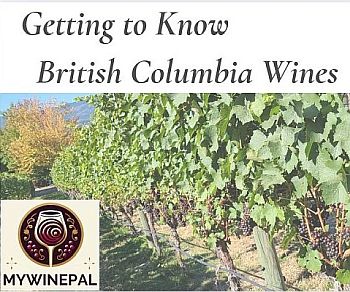
British Columbia’s diverse landscapes and varied microclimates are proof that world-class wines can thrive at the edge of viticultural limits. From coastlines to inland desert, the land stretches across the province in dramatic contrast, each ridge and fold shaped by ancient glaciers, powerful volcanoes, and fast-moving rivers… Over millennia, this geological activity has created nutrient-rich soils and distinctive terrain, giving rise to nine fertile grape-growing regions that shine on the world stage…
There are 12,681 acres (5,132 hectares) of wine grapes in British Columbia’s nine wine regions…
Across the province, each of the nine wine regions has unique microclimates, influenced by weather patterns and shaped by the land. Maritime areas like Vancouver Island, the Gulf Islands, and the Fraser Valley benefit from ocean breezes that support cool-climate varieties. In contrast, interior regions such as the Okanagan Valley, Similkameen Valley, and Lillooet experience hotter, drier summers and colder winters—conditions that allow for a broader range of grape varieties to thrive. (Wines of British Columbia)
Across the regions, vineyards are guided by socially responsible practices, ranging from organic farming and low-intervention winemaking to energy-efficient cellars. As caretakers of the land, winemakers follow organic and biodynamic standards. (Wine of British Columbia)
It is interesting to note that Alsace and BC have almost the same amount of hectares of wine grapes. Below are my tasting notes for the twenty wines we tasted, followed by a summary of the aromas and flavours for Riesling and Pinot Noir from each region, followed by a comparison of their regional aromas and flavours. Are there any differences between these two wine producing regions? Read on.
My Wine Tasting Notes

Martin’s Lane Naramata Ranch Riesling, BC VQA, Okanagan, 2023 – 2023 was a challenging season in BC as it was hot and recorded the earliest harvest ever to that date. There was also a harsh winter previous which reduced the vineyard yields by 34 to 56 percent. This wine is made with a natural fermentation. This wine has a medium intensity lemon colour. Medium intensity aromas of stone fruit and a touch of petrol. Dry, light body with a lean mouthfeel. Medium-plus acidity. Tart stone fruits and dried apricots flavours. You get lime with air. A long, lingering finish. Rating: 

Cave De Pfaffenheim Riesling AOC Alsace, 2023, “Jupiter” – A lighter lemon colour. Light petrol and stony nose. High acidity. Dry with a medium-plus body and round mouthfeel. Steely with a touch of green apple and stone fruit flavours, plus a touch of bitterness. A wine that can benefit from 5-10 years of aging. Rating: 

Unsworth Vineyards Cowichan Valley Pinot Noir, 2022 – A light, clear, cherry colour. Medium-plus nose with aromas of red cherries and dill. Medium-plus body with a round, thicker, smooth mouthfeel. Tart red fruits with higher acidity and light oak tannins. Some bitterness on the finish. Rating:
Domaine Melanie Pfister Pinot Noir, AOC Alsace, 2022, “Rahn” – A medium intensity, clear, purple tinted garnet colour. Light aromas of red cherries and some dustiness. This wine is dry, with medium-plus body and smooth mouthfeel. Medium acidity and tannins. Red apples and red cherry flavours. Some bitterness on the finish as well as tart red fruit. Rating: –
Martin’s Lane Pinot Noir, Naramata Bench, BC VQA, Okanagan, 2022, “Hieroglyph” – 2022 is the first grape harvest for this wine. 50% of the grapes were whole cluster fermented in concrete vessels. This wine has a medium intensity clear garnet colour. Very floral nose along with raspberry notes. Sweet aromas. Dry, medium-plus body with a smooth and lean mouthfeel. Red fruits, cherries and violets on the palate with a touch of bitterness. Medium tannins with a very tart finish. Rating: –
Domaine Melanie Pfister Pinot Noir, AOC Alsace, 2022, “Hüt” – A light, clear garnet colour. Very light red fruit nose. Dry, medium body with a lean mouthfeel. Medium acidity and medium-plus tannins. Red fruits and a touch of bitterness. A little thin feeling on the finish. Rating: –
Mythology Vineyard Pinot Noir, BC VQA, Okanagan Valley, 2020 – A medium intensity clear garnet colour. Light red fruit aromas. Dry, medium body with a smooth mouthfeel. Medium acidity and tannins. Red cherry flavour. Rating:
Cave de Pfaffenheim Pinot Noir, AOC Alsace, 2022, “Griffe Du Diable” – Medium intensity, clear garnet colour. Close nose. Light floral and tart red cherry flavours plus a touch of candied cherries. Medium body, dry, with a lean mouthfeel. Higher acidity. Medium tannins. Medium length with a touch of bitterness. An elegant wine. Rating: –

Unsworth Vineyards Pinot Gris, Cowichan Valley, 2023 – Mostly stainless steel fermented. This wine has a light, bright lemon colour. Light, fresh stone fruit nose. Dry, medium body. High acidity with very tart stone fruit flavours and some dried stone fruits. Touch of lime. Medium plus length. Tart finish with some pepperiness. Smooth mouthfeel. Needs to age 3-4 years to let the acidity soften a bit. Rating:
Domaine Zind-Humbrecht Pinot Gris, AOC Alsace, Grand Cru Rangen, 2023 – A medium intensity bright lemon colour. Lots of flinty or matchstick aromas which is viewed as a good aroma to have in Alsace. This wine is dry, medium-plus body with a smooth thicker mouthfeel. Medium acidity. Stone fruit, honey, and apricots on the palate along with strong bitterness. Rating:
Phantom Creek Estates Pinot Gris, BC VQA, Similkameen Valley, 2023, “Evernden Spring” – A light, bright lemon colour. Light intensity, fresh aromas of stone fruits, honey, cinnamon and maybe mint. Dry, with a soft, smooth, round mouthfeel. Gewürztraminer-like flavours with sweet spices and stone fruits. Medium-length with some pepperiness on the finish. Rating:
Domaine Weinbach Pinot Gris, AOC Alsace Grand Cru Furstentum 2023, “Pinots” – A light, bright lemon colour. Very light stone fruit nose. Dry with a smooth, soft mouthfeel. Stone fruits, apples and a hint of sweet spices on the palate. Medium acidity. Elegant. Rating:

Mythology Vineyard Riesling, BC VQA, Okanagan Valley, 2024 – Pale lemon colour. Lots of honeysuckle on the nose plus lesser amounts of stone fruits. Medium body with a smooth, thicker mouthfeel. Honeysuckle prominent along with apricots on the palate. Quite pronounced aromas and flavours. Rating:
Domaine Zind-Humbrecht Riesling, AOC Alsace, Grand Cru Rangen, 2023 – A deep, bright golden colour. Nice aromas of sweet spices, dried stone fruits, some flint and Gewürztraminer-like aromas. Medium plus body with a soft, round, thicker mouthfeel. Light flavours of oak, stone fruits, apricots and touches of minerality and sweet spices. A savoury mouthfeel. Shorter finish. Rating:
Phantom Creek Estates Riesling, BC VQA, Similkameen Valley, 2023, “Evernden Spring” – A medium intensity, bright lemon colour. Nice light aromas of apricots, vanilla and almond paste (marzipan). With air, the almond paste aroma changes to coconut. This wine is dry with a fuller body and soft, smooth mouthfeel. Apricots and other ripe stone fruits, plus apples on the palate. Medium acidity. Medium-plus length finishing with some bitterness. Rating:
Domaine Weinbach Riesling, AOC Alsace Grand Cru Shlossberg, 2023 – A deeper lemon colour. Inviting aromas of ripe pears and peaches plus sweet spices. Dry, medium-plus body with a smooth, soft mouthfeel. Medium acidity. Ripe, dried stone fruits, apricots in particular, and a touch of sweet spices on the palate. Rating:
My Comparison of the Riesling and Pinot Noir Wines
Note that these tasting notes and the comparison come from tasting a limited sample of wines.
BC Riesling
BC Riesling shows a range of pale to medium lemon colour in the glass. Aromatics vary from stone fruits and dried apricots to honeysuckle, floral notes, and hints of petrol, with some wines expressing more unusual tones like almond paste. On the palate, the wines are dry with light to medium body, though textures can range from lean and crisp to smooth and fuller-bodied. Acidity is generally medium to medium-plus, giving freshness and lift. Flavours highlight stone fruits (apricot, peach), with supporting notes of lime, apple, and floral elements. The finishes are typically medium-plus to long, occasionally carrying a slight bitterness. Overall, BC Riesling balances fresh acidity, ripe fruit, and aromatic complexity, with styles ranging from lean and tart to richer and textured.
Alsace Riesling
Alsace Riesling displays lighter lemon to deep golden hues, with aromatic range from light petrol, stony minerality, and green apple to ripe stone fruits, apricot, pear, and sweet spices. Some wines show flint or savoury qualities, and in certain cases, hints reminiscent of Gewürztraminer. On the palate, these wines are dry with medium-plus body and smooth, round mouthfeel, occasionally leaning toward fuller and thicker textures. Acidity is generally medium to high, contributing to freshness and ageability. Flavours balance ripe and dried fruits with spice and mineral tones, often creating a sense of depth and complexity. While finish length varies, top wines offer structure and potential for cellaring.
Comparison of BC vs Alsace Riesling
Colour: BC Rieslings generally show pale to medium lemon tones, while Alsace Rieslings range more widely, from light lemon to deep golden, often reflecting riper fruit or Grand Cru terroir.
Aromatics: BC Riesling emphasizes stone fruits, floral honeysuckle, apricot, lime, and touches of petrol, occasionally with unique tones like almond paste or coconut. Alsace Riesling tends toward a mineral and petrol-led profile with stone fruit and green apple, layered with spices, flint, and savoury elements, giving more complexity and depth.
Palate and Body: BC Rieslings range from light and lean to fuller and smooth, often driven by bright fruit and freshness. Alsace Rieslings are more consistently medium-plus in body with a rounder, thicker mouthfeel, sometimes showing savoury or spicy character beyond fruit.
Acidity: Both regions produce Rieslings with medium to high acidity, but Alsace often edges higher, giving greater structure and ageing potential, while BC leans toward refreshing tartness and lift.
Overall Style: BC Riesling expresses itself with freshness, fruit purity, and aromatic diversity, whereas Alsace Riesling leans toward complexity, minerality, and structure, with greater potential for cellaring and a broader stylistic range.
BC Pinot Noir
Pinot Noir from British Columbia shows a consistently light to medium garnet colour in the glass. Aromatically, the wines lean toward red fruits such as cherry and raspberry, sometimes accented with floral notes (violet) or herbal/spice tones such as dill. On the palate, they are dry with medium to medium-plus body, often smooth in texture, though with noticeable tart acidity and light to medium tannins. Oak influence is subtle, with a touch of bitterness noted in some finishes. Overall, BC Pinot Noir expresses itself with bright fruit, freshness, and elegance.
Alsace Pinot Noir
Alsace Pinot Noir tends toward a light to medium garnet colour, sometimes with a purple tint. The wines show subtle aromatics, often light red fruits such as cherry or apple, with occasional floral notes and earthy or dusty hints. On the palate, they are dry, with medium body and a lean mouthfeel, showing tart red fruit flavours balanced by medium acidity and tannins. A touch of bitterness on the finish is a recurring element. The overall impression is one of delicacy, restraint, and elegance.
Comparison of BC vs Alsace Pinot Noir
Both BC and Alsace Pinot Noir emphasized red fruit character, particularly cherries, with occasional floral notes and a touch of bitterness on the finish. However, there are noticeable differences:
Aromatics: BC Pinot Noirs generally showed a brighter, more expressive nose with cherries, raspberries, and floral tones, sometimes accented by herbal or spice elements. Alsace Pinot Noirs are more restrained aromatically, often light in fruit expression with subtle earthy notes.
Palate and Body: BC Pinot Noirs display a rounder, smoother mouthfeel with medium to medium-plus body, whereas Alsace Pinot Noirs lean toward a lighter, leaner structure, despite a similar medium body designation.
Acidity and Tannins: Both regions show moderate to higher acidity and medium tannins, though BC often feels more fruit-forward with freshness, while Alsace expresses itself with higher tartness and firmer structure, sometimes finishing on the lighter side.
Overall Style: BC Pinot Noir comes across as fresh, elegant, and fruit-driven, while Alsace Pinot Noir shows restraint, structure, and delicacy, with fruit that is more subtle and secondary to texture and acidity.
Based on these notes, you can definitely see terroir differences in these wines between regions.
Thank you to Wines of British Columbia and Vins Alsace for offering these interesting speakers and wines.