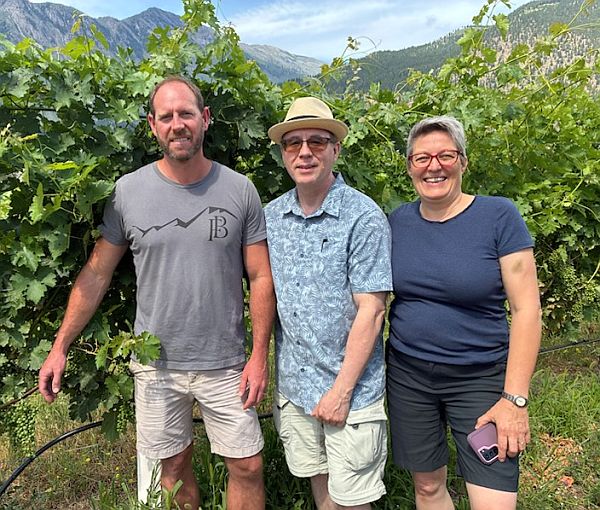
2017 was the last time I visited Fort Berens Estate Winery in Lillooet, along with other wine writers. The winery was still young, but the quality of their wines were notable. Almost every year since 2018, I interviewed their current winemaker to find out about their grape harvest. And every year, I tell people how they should try Fort Berens’ wines as they are top quality.
This summer, 2025, I decided to drive up to Fort Berens to see the changes in the winery and vineyard and taste some of their latest releases. Owners, Rolf de Bruin and Heleen Pannekoek moved here in 2009 to grow grapes and produce wine. In 2013 they decided to build a tasting room.
What’s New in the Vineyard?
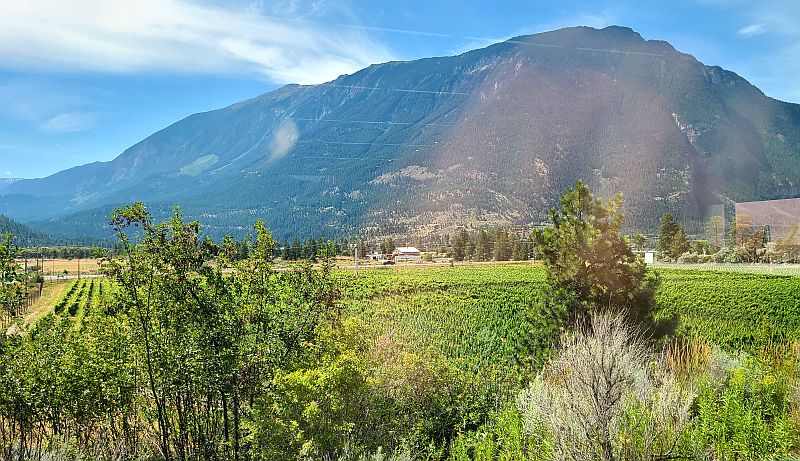
Since my last visit in 2017, Fort Berens Estate Winery has made significant strides in both vineyard expansion and its choice of grape varietals. What were once newly planted vines in their Dry Creek Vineyard have now matured, and in 2018 and 2019, the winery added their Red Rock Vineyard (just to the north of the winery) to the portfolio, focusing on red Bordeaux varietals. Merlot, Cabernet Franc, and Cabernet Sauvignon were planted to broaden their range. The team has been strategic with site selection: one block of Merlot originally planted in sandy soil was removed after it underperformed, replaced with Chardonnay, which is better suited to the terroir. Their commitment to this varietal continues, as evidenced by an additional two-acre planting of Chardonnay in 2024. The current vineyard composition includes Merlot, Cabernet Franc, Cabernet Sauvignon, and a standout block of Riesling. A small plot of Cabernet Sauvignon has also been maintained specifically for their Meritage blend. These plantings reflect both adaptation to the terroir and a clear vision for the estate’s future varietal direction. They also grow Pinot Gris, Pinot Noir, Chardonnay and Grüner Veltliner.
Impact of Recent Cold Winters and Recovery Efforts
Like many wineries in British Columbia, Fort Berens had to contend with the harsh realities of back-to-back severe winters in 2022/23 and 2023/24 and the challenging seasons that followed. While vine mortality was reported at a manageable 8%, yield losses were more dramatic. In both years, the winery produced just 30% of a typical harvest. However, 2025 brings optimism, with projections suggesting a return to 85–90% of normal production. The cold snaps revealed varietal disparities in winter resilience. Riesling and Cabernet Franc showed remarkable hardiness, producing up to half of a normal crop, while Merlot was especially vulnerable, delivering no fruit at all. Pinot Noir also struggled, with significantly reduced yields.
Replanting efforts have been ongoing, with some vines newly established beside older, surviving ones. Chardonnay blocks, for example, have seen interplanting where winter kill occurred. A unique benefit to their site is a cold air drainage corridor through the valley, which helped mitigate vine stress. Younger Cabernet Sauvignon vines, planted in 2019, were exposed to damaging temperatures before reaching full maturity. Despite these challenges, Fort Berens remains steadfast in its commitment to vinifera varieties and has expressed no interest in switching to hybrids, hoping these recent winters are anomalies rather than a new norm.
Strategic Grape Sourcing from Washington State (“Here and There” Project)
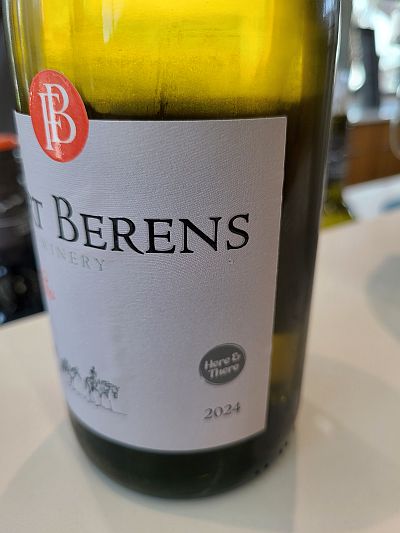
Faced with critical inventory shortfalls from two successive low-yield vintages, Fort Berens took a bold and pragmatic step by sourcing grapes from Washington State. As the closest viable option, Washington allowed the winery to minimize transport issues while accessing high-quality fruit. To ensure quality control, their assistant winemaker, Seth, was dispatched south of the border, tasked with selecting vineyards, managing harvest timing, and overseeing vinification on site. Once fermentation was complete, the wines were shipped north to Lillooet for aging.
This initiative, appropriately titled the “Here & There” project, reflects the cross-border journey of the wines, some made “here,” others “there.” The range includes Pinot Gris, Riesling, Chardonnay, and a Syrah-based Rosé. Their conversations with local WA truckers revealed the vast grape surplus in Washington, with some fruit left unharvested or discarded; a stark contrast to BC’s shortage. The “Here and There” wines have provided not only a lifeline during challenging times but also an intriguing addition to Fort Berens’ evolving portfolio.
Winemaking Philosophy and Vineyard Management
Fort Berens maintains a hands-on, thoughtful approach to both vineyard management and winemaking, with quality control starting in the field. Fruit thinning occurs around veraison, with clusters under 50% maturity removed to concentrate ripening. Shoot length is carefully managed, typically retaining one or two clusters per shoot. Leaf removal is done with precision: early in the season, leaves are stripped on the morning sun side to gradually acclimatize the berries and prevent sunburn, while the west-facing side is left intact until mid-September when afternoon heat becomes less intense. For white varietals, leaf removal is avoided altogether to maintain freshness and delicate aromatics by preserving canopy protection.
The vineyard team is dedicated and deeply involved, managing vines six days a week. Wildlife pressures are addressed with electric fencing activated from August through October to deter deer and bears. Bluebird houses are installed to promote natural pest control.
Microclimatic monitoring using iButton sensors has revealed temperature variations across vineyard blocks. Upper blocks are consistently warmer by 1 – 2°C, contributing to ripening advantages of up to two weeks. These insights have informed varietal placement, with Cabernet Sauvignon now occupying the warmest site to ensure full phenolic maturity. This data-driven, terroir-sensitive approach underscores Fort Berens’ commitment to producing wines that reflect both site and season while continually adapting to climatic and viticultural realities.
My Wine Tasting Notes
Washington State Wines (2024 Vintages)
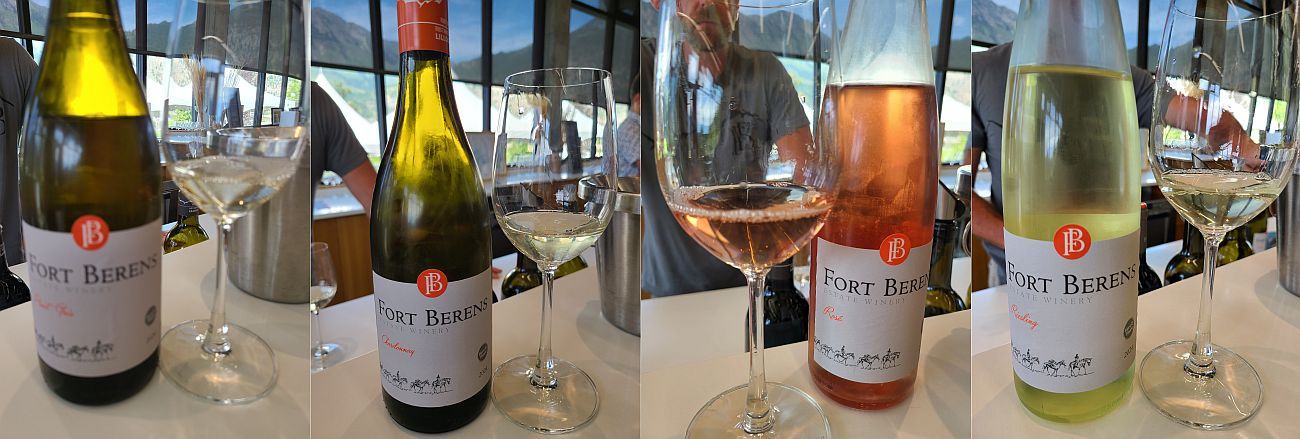
Fort Berens Here & There Pinot Gris 2024 (BC $23.49) – “This wine was crafted by our winemaking team in Lillooet and Washington as part of our “Here & There” collection. We made this refreshing Pinot Gris with grapes from a single vineyard on the Wahluke Slope in Washington. With tropical fruit notes, this wine pairs well with a fresh summer salad.”
It has a light, bright lemon colour. Fresh stone fruit aromas. Dry, medium body with a smooth mouthfeel. Light acidic prickle in your mouth. 

Fort Berens Here & There Chardonnay 2024 (BC $24.99) – “This wine was crafted by our winemaking team in Lillooet and Washington as part of our “Here & There” collection. We made this lightly oaked Chardonnay with grapes from a single vineyard in the White Bluffs region. The creamy texture of this elegant wine makes it a perfect match with roasted chicken.”
A pale lemon colour. Light vanilla and apple aromas. Dry, medium body and medium-plus acidity. Golden delicious apples, pears, along with some minerality and bitterness. Smooth mouthfeel. Medium-plus length.
Fort Berens Here & There Riesling 2024 (BC $22.99): “This wine was crafted by our winemaking team in Lillooet and Washington as part of our “Here & There” collection. We made this slightly off-dry Riesling with grapes from a single vineyard in the White Bluffs region. Beautifully balanced, this aromatic, fresh wine pairs well with spicy dishes.”
Lighter star colour. Light orange scent on the nose. Dry, medium body with a round mouthfeel. Higher acidity leaves a light prickle in your mouth. A mix of oranges and stone fruit flavours.  –
–
Fort Berens Here & There Rosé 2024 (BC $23.49): “This wine was crafted by our winemaking team in Lillooet and Washington as part of our “Here & There” collection. We made this aromatic Rosé with Shiraz grapes from a single vineyard on the Wahluke Slope in Washington. Pair this refreshing wine, bursting with notes of mixed berries, on the patio with grilled salmon.”
This wine has a medium-minus intensity strawberry-orange colour. Aromas of strawberries, strawberry leaf and rhubarb with more on the palate. Dry, medium body, with higher acidity. Some acidic prickle on your tongue, plus some bitterness on the finish. An easy summer sipper. –
Fort Berens BC Wines (2023 & 2022 Vintages)
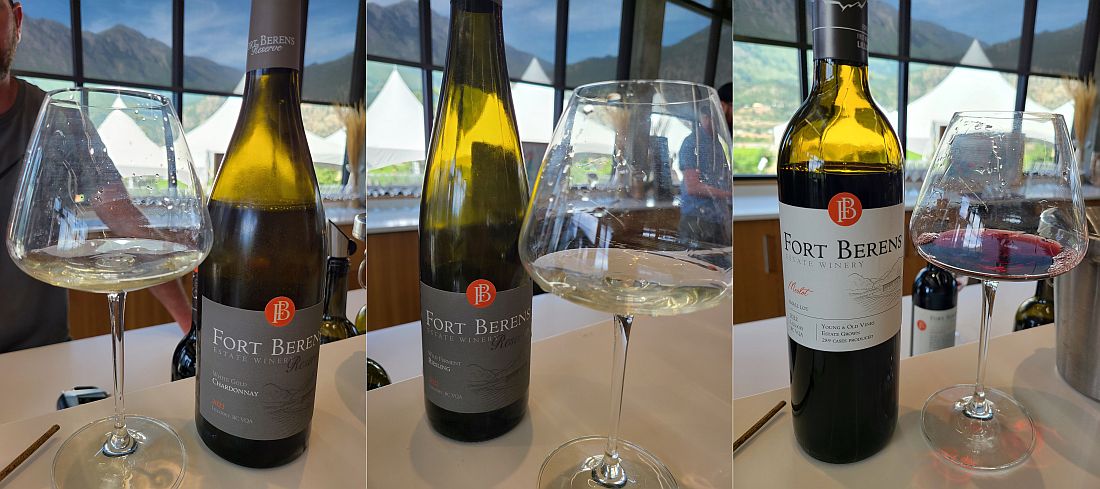
Fort Berens Reserve White Gold Chardonnay 2023 (BC $34.99): “White Gold is handcrafted from the finest estate grown Chardonnay grapes from our mature Dry Creek Vineyard. This Chardonnay Reserve was naturally cold fermented and aged in select new and seasoned 400-litre French oak barrels for 7 months to create a luxurious mouthfeel.”
This wine has a deeper, more intense lemon colour. Nice medium intensity aromas of lemon, apple, and oak. Medium-plus body with a round, thicker mouthfeel. Ripe apples, toast and some sweet spices on the palate. Medium-plus acidity, leaving a touch of acidic prickle on your tongue. Some oakiness on the finish.
Fort Berens Wild Ferment Reserve Riesling 2022 (BC $29.99): “GOLD medal – Best in Class and 95 points, Los Angeles International Wine Competition 2025. Handcrafted with 100% estate grown grapes that were picked late in the season. The wine was naturally fermented and aged in French oak barrels to produce a drier-style fresh, aromatic Riesling with a velvety palate.“
It has a bright, medium intensity lemon colour. A light intensity, very inviting nose of vanilla and white flowers. Dry, smooth, with a thicker mouthfeel. Medium acidity. Subdued stone fruit flavours and touches of oak and bitterness.
Fort Berens Small Lot Merlot 2022 (BC $32.99): “This Small Lot Merlot is made with grapes from both our estate vineyards. The grapes from the Dry Creek Vineyard, planted more than a decade ago, provide structure and mouthfeel. The grapes from our younger Red Rock Vineyard offer lovely aromatics and fruit-forward notes.” Only 289 cases were made of this wine.
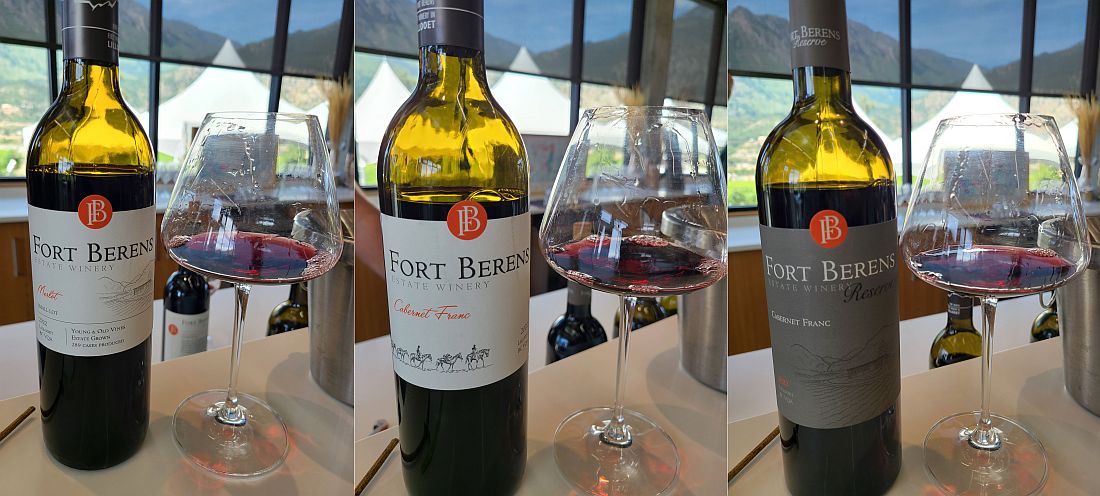
It has a clear, medium intensity garnet colour. Inviting, medium intensity aromas of red cherries and darker berry fruits. Medium body with a smooth, soft mouthfeel. Medium acidity and light tannins. Cherries and berry fruit flavours along with a touch of bitterness. Medium length finishing with a mix of tart and juicy berries, cherries, and touches of pepperiness and bitterness. –
Fort Berens Cabernet Franc 2022 (BC $29.99 for 2021 vintage): “A combination of pump overs, punch downs. Aged in 100% French oak barrels for 15 months. About 25% new oak.”
This vintage was a sneek peek for me. Something to entice you when it is released.
A medium intensity, clear garnet colour. Medium intenstiy aromas of green pepper, and red fruits. Dry, medium body with a lean mouthfeel. Gamey, juicy berries and tart red fruit flavours along with a touch of oak.
Fort Berens Reserve Cabernet Franc 2022 (BC $43.99 for 2021 vintage): “Made from block selection and barrel selection. 50% new oak, with wine aged 15 months.“
A deeper garnet colour in the glass. Soft, smooth red cherry and ripe berry aromas. Dry, medium body, smooth and soft mouthfeel. Tasty red fruit, juicy berries and some oak. Red cherries toward the finish. Lighter tannins. Medium-plus length.
Where Can I Buy These Wines?
BC Liquor stores carry a range of Fort Berens’ wines. A selection of Fort Berens’ wines are also available at select Save on Foods stores.
The Here & There wines are all available for purchase online at the Fort Berens’ website.
The following Fort Berens’ wines, made with their estate grapes, are available for purchase online:
- Fort Berens Reserve White Gold Chardonnay 2023
- Fort Berens Wild Ferment Reserve Riesling 2022
- Fort Berens Small Lot Merlot 2022
The two 2022 Cabernet Franc wines were sneak peeks for me, and enticements for you in the future when they are eventually released. For the moment the 2021 vintages are listed for your purchase.
The Here & There Riesling is available at Everything Wine stores.