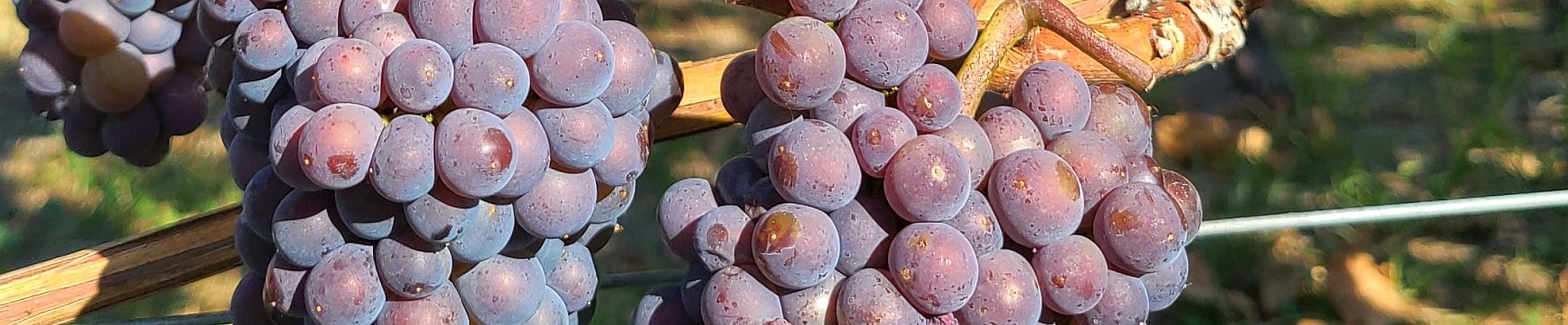
Red wines come in a spectrum of colours, from light and translucent to deep and opaque. The opacity of red wine is influenced by several factors, including grape variety, winemaking techniques, and the wine’s age.
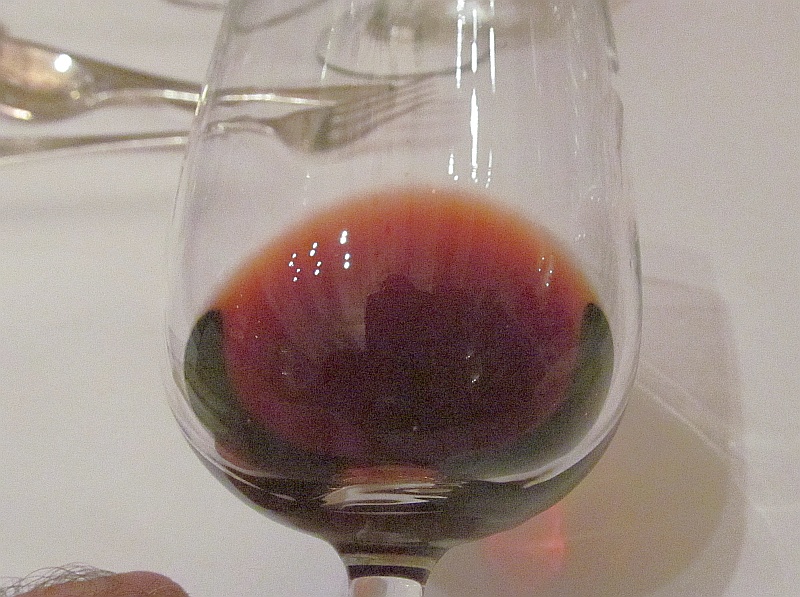
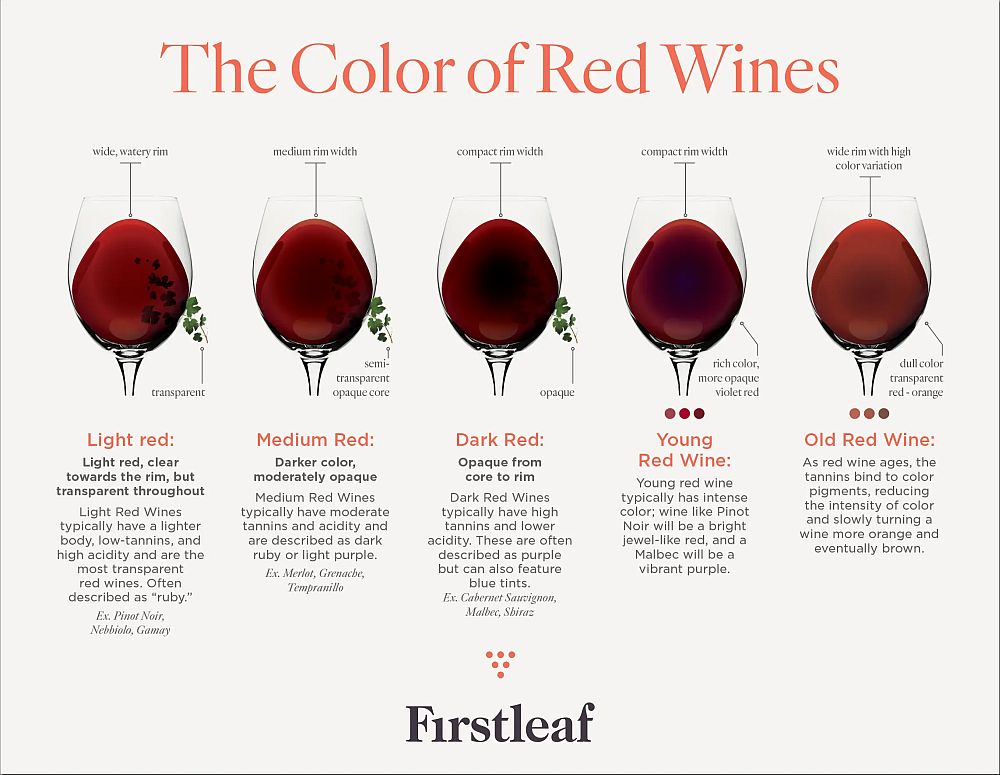
Young red wines typically display deep purple, ruby, or magenta hues that show their youthful character. They are usually quite opaque, with dense colour that heavily stains the sides of the glass when swirled. Looking at the rim where the wine meets the glass, you will often see a narrow band of bright pink or purple, another visual clue that the wine is still in its early stages of development.
As red wines age, their appearance gradually changes as slow oxidation alters the pigments. The colour shifts toward garnet, brick red, tawny, and eventually brownish tones, while the wine becomes more translucent, allowing light to pass through more easily. The rim also widens and fades to watery orange or brown, providing a reliable indication that the wine has spent several years maturing in bottle. Wines from hotter vintages often age faster than wines from cooler vintages.
Why Are Some Red Wines Opaque?
The depth of colour and opacity in a red wine are influenced by several factors, beginning with the grape itself. Red grapes contain pigments called anthocyanins in their skins, and grape varieties with higher concentrations of these pigments typically produce wines that are darker and more opaque. Tannins also play an important role, not only adding structure and grip to the palate but also binding with anthocyanins to stabilize and deepen the wine’s colour. Winemaking decisions further affect opacity. Longer skin contact during fermentation extracts more colour and tannins, while unfiltered wines often retain fine suspended particles that make them appear less transparent. Age also changes a wine’s appearance. Young red wines generally show their deepest colour, but over time pigments and tannins gradually combine and settle out of the wine, leaving older vintages lighter in colour and increasingly translucent.
Some Red Grapes That Produce Opaque Wines
Certain grape varieties are known for producing deeply coloured wines. These grapes typically have thicker skins and high levels of anthocyanins and tannins.
Tannat: Known for its intense colour and high tannin content, Tannat produces some of the most opaque red wines. Originally from the Madiran region in France, it is now also widely grown in Uruguay.
Syrah/Shiraz: This grape variety, especially when grown in warm climates, produces dark, full-bodied wines with deep colour and robust tannins. Syrah is known for its flavours of dark fruits, pepper, and spice.
Malbec: Popular in Argentina, Malbec wines are known for their deep purple colour and rich, fruity flavours. The thick skins of Malbec grapes contribute to the wine’s opacity and tannin structure.
Petit Verdot: Often used in Bordeaux blends, Petit Verdot adds colour, tannin, and structure to wines. On its own, it produces deeply coloured, opaque wines with flavours of dark fruit and floral notes.
Cabernet Sauvignon: One of the most widely planted red grape varieties, Cabernet Sauvignon is known for its dark colour, high tannins, and aging potential. It produces opaque wines with flavours of blackcurrant, cedar, and tobacco.
If you can, I suggest buying a bottle of one of these grape varieties from a certain region, e.g. Malbec from Argentina, from the current vintage, and then purchase another Malbec from Argentina, but try to find one that is many years older, e.g. at least 10 years. This may be very difficult as older wines are hard to find. Pour a glass of each to compare colour, then also smell and taste both wines. The aging process in bottle should also change the aromas and flavours in the wines, alongside colour.
Another option is to go into your wine collection to find one of the oldest wines (at least 10 years old) that is from one of the mentioned grape varieties. Again, try to purchase a younger version of that wine, or from that wine region, pour both and compare colour, aromas, and flavours. Seeing how wines age is quite interesting. Would you guess that the younger wine could look, smell, and taste like the older wine? Post your comments if you have tried this before or if you tried it now. Cheers!