
Wine is a complex beverage, as its flavours and aromas develop over time. Some wines can be enjoyed when they are young and fresh from fermentation while other wines take years or decades for the wines to soften, for flavours, tannins, and acidity to evolve to a high point for your enjoyment. These flavours and aromas can be categorized into three types: primary, secondary, and tertiary. Each category represents different stages of the wine’s life and contributes to its overall profile.
Primary Aromas and Flavours
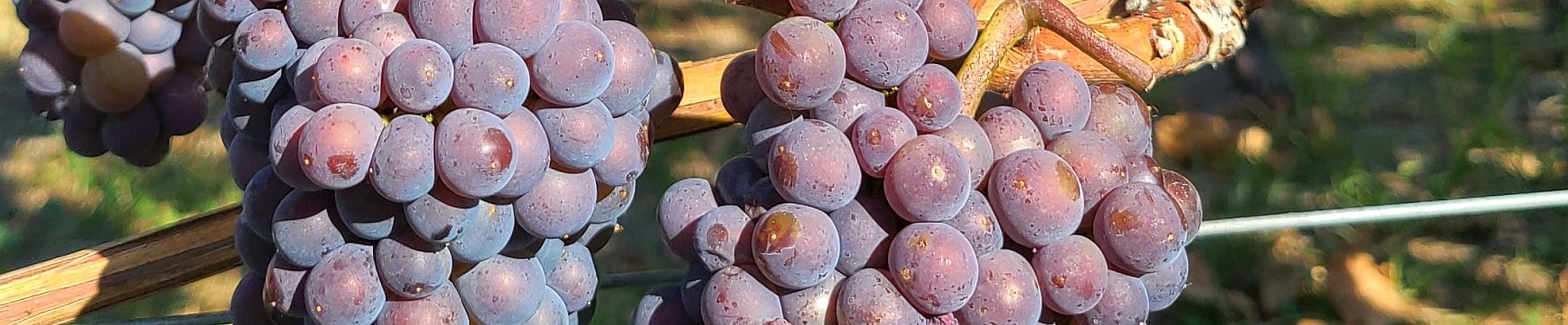
Primary aromas and flavours in wine are derived directly from the grape and are most prominent in young wines. These flavours include a wide range of fruit, floral, and herbal notes. For red wines, primary aromas and flavours often include black, red, and dried fruits such as blackberries, cherries, and plums. In white wines, you may get green apple, citrus, tropical fruits, and stone fruits like peaches and apricots.
These flavours are the first to be noticed and often what attracts people to a particular wine. They are fresh, vibrant, and indicative of the grape variety and the terroir where the grapes were grown. For example, a young Pinot Noir might exhibit bright red fruit flavours like strawberry and cherry, while a Riesling could showcase green apple and citrus notes.
Secondary Aromas and Flavours
Secondary aromas and flavours develop from the winemaking process itself. These include the effects of fermentation, aging on lees (dead yeast cells), and malolactic fermentation. Secondary aromas and flavours can add complexity and depth to a wine. Common secondary flavours include buttery notes from malolactic fermentation. Yeasty or biscuity notes from lees aging, vanilla, clove, or smoke from oak aging can be detected on the nose and palate.
For example, an oak-aged Chardonnay might develop a rich, buttery texture along with aromas and flavours of vanilla and toast. These aromas and flavours are a result of the winemaker’s choices and techniques, adding layers of complexity to the wine.
Tertiary Aromas and Flavours
Tertiary aromas and flavours emerge as a wine ages in the bottle. These flavours are the result of slow chemical reactions that occur over time, transforming the primary and secondary aromas and flavours into more complex and nuanced profiles. In red wines, fresh fruit aromas and flavours evolve into dried fruit, fig, or prune notes. Additional tertiary aromas and flavours may include tobacco, leather, earthiness, and mushroom.
White wines, on the other hand, can develop dried apricot, orange marmalade, and nutty characteristics. Some white wines, like aged Rieslings, may also exhibit a petrol-like (or hot buttered popcorn) aroma or flavour.
Example Aromas and Flavours for Aged Wines
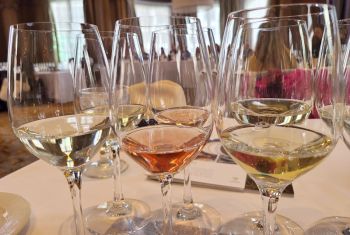
Here are a few examples of paired BC wines with their aromas and flavours. The first wine will be younger and the next wine will be older. Note changes in colour, aromas, and flavours.
Chardonnay
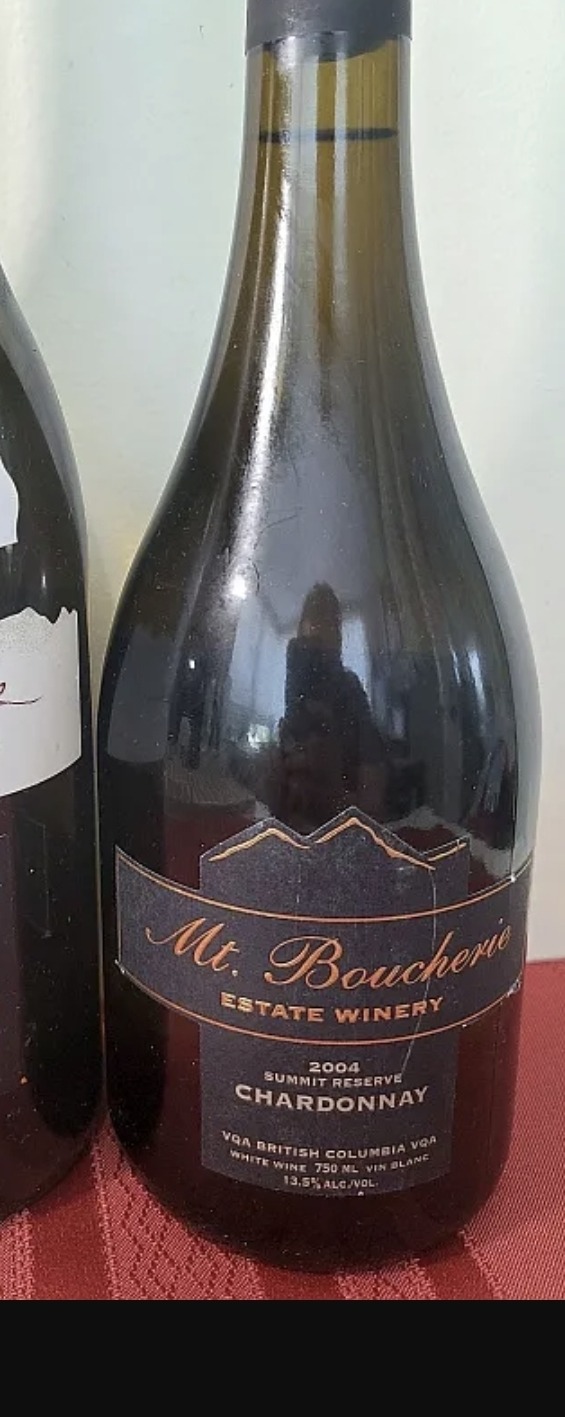
Mt. Boucherie Estate Winery Reserve Chardonnay 2021 – the grapes come from the Okanagan and Similkameen valleys. The wine is aged for 8 months in new French oak barrels. More toasty aromas on the nose, plus apple. Medium-plus body, thick and round with a buttery mouthfeel. Caramel and apples on the palate along with a touch of oak. Medium-plus length.
Mt. Boucherie Estate Winery Summit Reserve Chardonnay 2004 – features a deep amber colour with aromas of light toast, roasted lemon, and lanolin. On the palate, it offers a rich, medium-plus body with flavours of ripe stone fruit, vanilla, butterscotch, tropical fruit, and roasted apple, finishing with a long, smooth finish and medium acidity.
Riesling
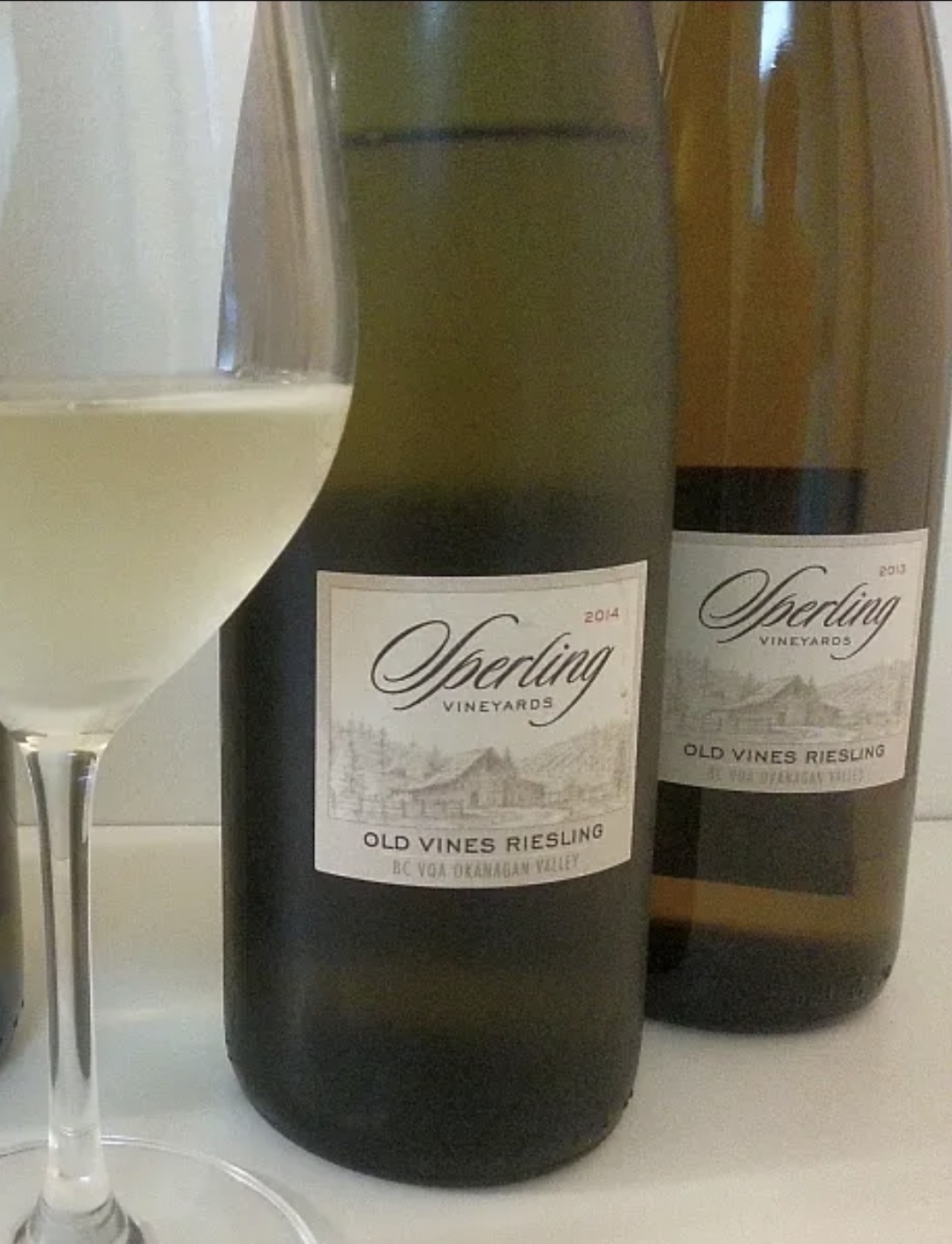
Sperling Vineyards Old Vines Riesling 2014 – Pale straw in colour. Medium intensity nose with light mandarin orange, citrus, apple, lemon rind and a hint of lees. Off-dry, medium body, with medium plus, nervy acidity. Crisp ambrosia apple with lesser amounts of stone fruits, particularly peach, and flowers, followed by lemon flavour. Mineral. Medium length with mouth-watering acidity on the end and finishes with the crisp apple again. A very nice wine that I’m sure will build some interesting character with time in the bottle.
Sperling Vineyards Old Vines Riesling 2011 – A deeper lemon colour in the glass. Medium intensity nose with a mix of youthful and developing aromas. A mix of flowers, baby powder, with lesser petrol and honey components on the nose. A beguiling nose. Between off-dry and medium-dry, this wine is soft and round in the mouth; almost silky. Maybe silky sweetness. Lower acidity. Petrol, citrus and honey flavours with hints of apricot and apple. Medium plus length. Apricot and honey flavours builds on the finish. A really tasty, elegant wine.
Red Bordeaux Blend
As red wines tend to age slower than white wines, I do not have the best example of aging, but should give you a glimpse.

Osoyoos Larose Le Grand Vin 2020 – A cooler vintage for Osyoos Larose. This wine is opaque garnet. Closed aromas of dark fruits. Fuller body, round and smooth with medium acidity and tannins. Dark fruits and vanilla flavours with some sweet fruit on the finish. Firmer tannins as well on the finish.
Osoyoos Larose Le Grand Vin 2007 – A cooler vintage. This wine has medium-intensity aromas of floral, dill, ripe dark berries. Medium-plus body with bright acidity. Tart black cherries, some pepperiness and earthiness. This wine still has more life to it.
Conclusion
Understanding the primary, secondary, and tertiary flavours in wine enhances the appreciation of this intricate beverage. Each stage of flavour development adds depth and complexity, making wine tasting a dynamic and enjoyable experience. Whether you prefer the fresh fruitiness of a young wine or the complex, aged characteristics of a mature bottle, there’s always something new to discover in the world of wine.