
Champagne, the world’s most celebrated sparkling wine, comes exclusively from the Champagne region in northeastern France. While the bubbles may steal the spotlight, the label tells a deeper story; about origin, grapes, and craftsmanship. To decode Champagne is to appreciate its layered complexity, from vineyard to vintage.
The Champagne Appellation System
Champagne is governed by the strict rules of the Appellation d’Origine Contrôlée (AOC), which ensures quality and authenticity. The region is divided into five main zones: Montagne de Reims, Vallée de la Marne, Côte des Blancs, Côte de Sézanne, and Aube (Côte des Bar). Each area contributes distinct characteristics based on soil, climate, and grape variety.

The three primary grapes used are:
Chardonnay – elegance, citrus, and longevity.
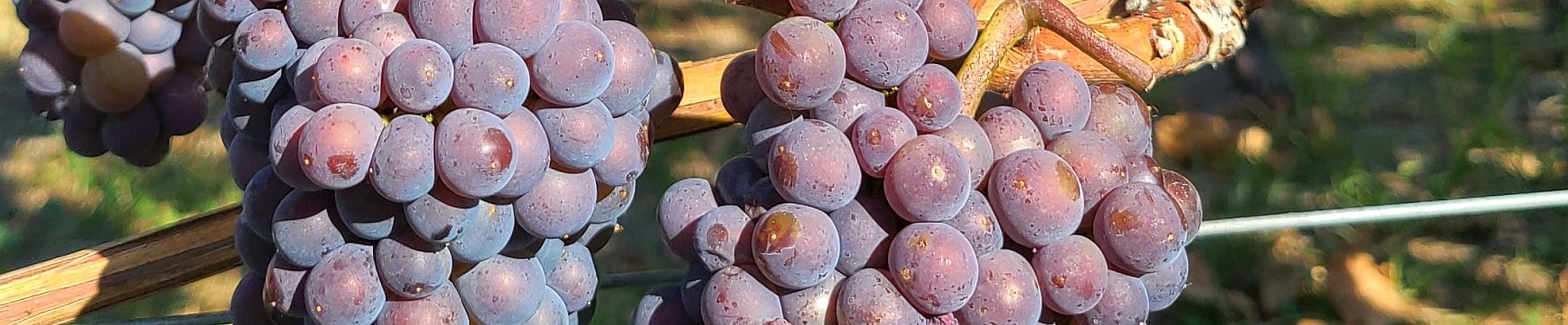
Pinot Noir – structure, red fruit, and depth.
Pinot Meunier – roundness, fruitiness, and early approachability.
There is now a new fourth recognized grape, called Pink Chardonnay. Watch for it in future Champagne releases.
Understanding Champagne Labels

Champagne labels are rich with information. Here’s what to look for:
Producer Type:
- NM (Négociant Manipulant) – buys grapes and makes Champagne.
- RM (Récoltant Manipulant) – grower-producer making Champagne from their own grapes.
- CM (Coopérative de Manipulation) – a cooperative of growers.
- SR (Société de Récoltants) – a group of growers sharing facilities.
Style:
- Brut – dry, most common style.
- Extra Brut, Brut Nature, Zero Dosage – very dry.
- Demi-Sec, Sec – sweeter styles.
Vintage vs. Non-Vintage:
- Non-Vintage (NV) – blend of multiple years, consistent house style. Majority of Champagne are non-vintage.
- Vintage – made from grapes of a single year, only in exceptional harvests.

Special Cuvées:
- Blanc de Blancs – 100% Chardonnay, crisp and elegant. I was told by one Champagne house that Chardonnay provides the fine, tiny bubbles.
- Blanc de Noirs – 100% Pinot Noir and/or Meunier, richer and bolder.
- Rosé Champagne – made by blending red wine or maceration.
Cru Status:
- Premier Cru and Grand Cru refer to village-level quality rankings. Only 17 villages are Grand Cru, including Ambonnay, Avize, and Aÿ.
Regional Distinctions:
- Montagne de Reims: Known for powerful Pinot Noir-based Champagnes.
- Côte des Blancs: Home to elegant Blanc de Blancs from chalky soils.
- Vallée de la Marne: Dominated by Meunier, offering fruit-forward styles.
- Aube (Côte des Bar): Warmer climate, increasingly recognized for expressive Pinot Noir.
I hope this info helps when you stop by your favourite bottle shop to pick up a bottle of champagne for a special occasion, or just because you want to enjoy a glass of quality bubbles.










1 thought on “An Intro to Champagne Wine Labelling”
Comments are closed.