
Standing before the sprawling shelves of a BC Liquor store, LCBO, SAQ, or local specialty grocer, deciding between dozens of Tuscan red wines and artisanal extra virgin olive oils can feel overwhelming. Labels boast enticing imagery, but how do you spot true regional authenticity amidst slick marketing?
Enter Savor Quality from Europe, an EU-cofunded initiative spotlighting the rich provenance behind Italian staples. For conscious Canadian consumers who value environmental stewardship, authentic terroir, and memorable dining experiences, European producer organizations treat heritage not as static history but as an active, living asset. Understanding these official European quality schemes helps us choose products rooted in centuries of geographic craft.
I received a press release about this initiative, and I’ve condensed it down to a few salient points that you may want to consider before purchasing Italian wine and staples, like olive oil.
Certified Quality Seals (PDO & PGI) Guarantee Geographic Authenticity
To shield traditional agricultural treasures from imitation and confusing knockoffs, the European Union established rigorous regulatory quality frameworks. When browsing your favourite wine merchant or specialty market, look for two key seals:
- PDO (Protected Designation of Origin): Mandates that every phase of production occurs within a strictly defined geographical territory. This encompasses prestigious wine designations like Vino Nobile di Montepulciano DOCG as well as certified Tuscan extra virgin olive oils.
- PGI (Protected Geographical Indication): Identifies products whose distinct reputation or quality is intrinsically tied to a specific region, requiring at least one primary production stage to take place there.
For Canadian buyers, these seals provide guaranteed trust, verifying that generations of regional mastery are preserved.
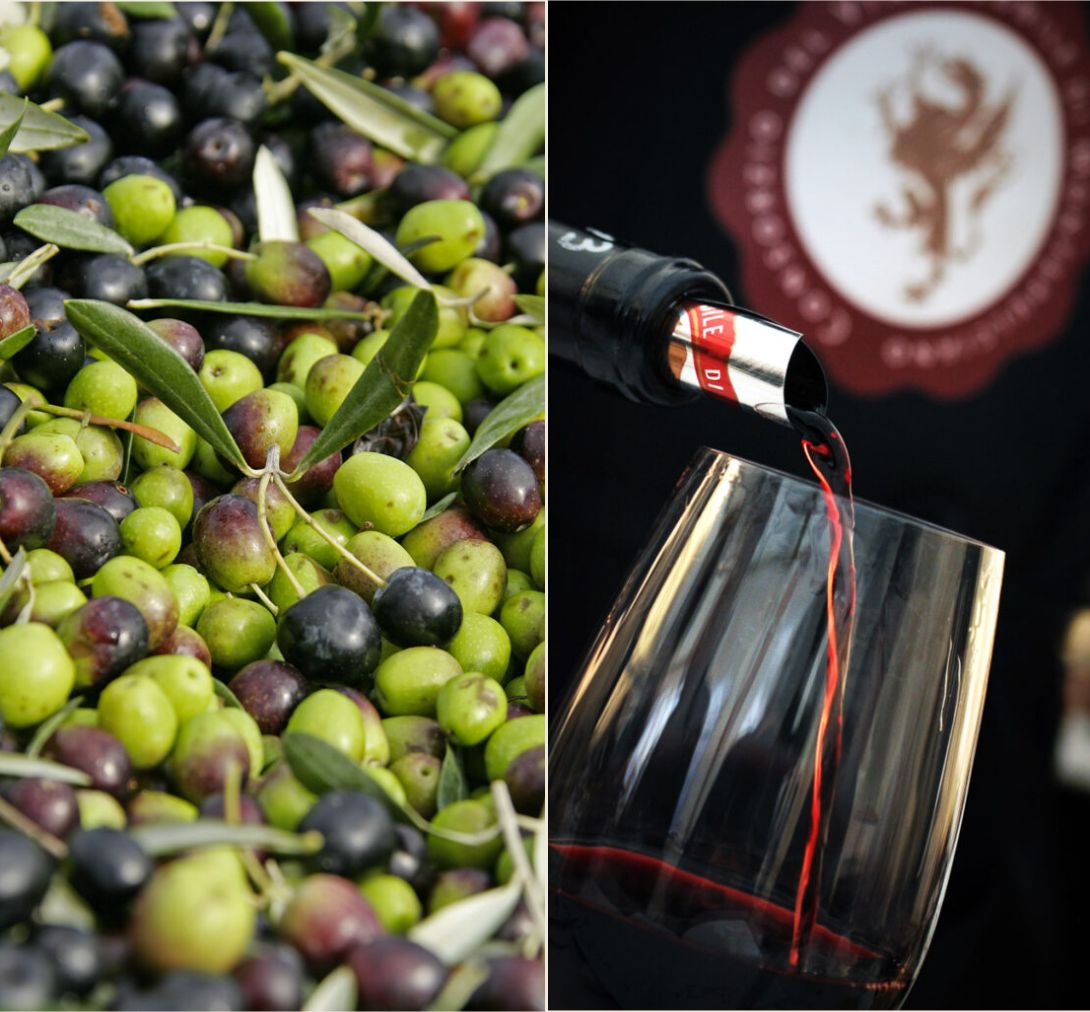
Wine Connects Continents Across Centuries
European winemaking is deeply intertwined with literature, political history, and transatlantic exchange. In 2026, the Consorzio del Vino Nobile di Montepulciano launched celebrations marking the 400th anniversary of Francesco Redi, the visionary 17th-century physician, scientist, and poet whose classic work Bacco in Toscana permanently anchored Montepulciano in European culture.
This heritage reaches directly to North America. As detailed in the book The Taste of Freedom: Thomas Jefferson, Vino Nobile di Montepulciano and the Birth of the United States by Francesco Clementi and Antonio Gaudioso, published alongside the 250th anniversary of the U.S. Declaration of Independence. Thomas Jefferson regularly ordered Vino Nobile for his personal cellar. As Consorzio President Andrea Rossi notes, celebrating figures like Redi and Jefferson highlights how wine serves as an authentic cultural bridge linking Western political thought and European craftsmanship across centuries.
This vinous legacy flourishes side by side with Tuscany’s equally ancient olive-growing traditions.
2,500 Years of Olive Oil Traditions Are Safeguarding Future Agricultural Sustainability
European agricultural stewardship extends beyond the vineyard. Olive cultivation in Tuscany dates back over 2,500 years to the Etruscans, creating agricultural landscapes that have defined the Mediterranean for millennia. Today, the Associazione Produttori Olivicoli Toscani (APOT) protects Tuscan PDO and PGI extra virgin olive oils while helping growers navigate contemporary environmental challenges like climate change, rising costs, and water conservation.
APOT emphasizes that preserving heritage isn’t about remaining frozen in the past but actively creating conditions for traditional practices to evolve while safeguarding biodiversity and rural livelihoods. This balance between ancient heritage and modern sustainability deeply resonates with Canadian agricultural communities striving to protect their own local foodways.
To Conclude: A Living Legacy in Every Pour
The “Savor Quality from Europe” campaign reminds us that Europe’s protected wine and olive oil designations are vibrant, evolving models of sustainable agriculture. Through cultural stewardship, scientific innovation, and international outreach, organizations like the Consorzio del Vino Nobile di Montepulciano and APOT ensure that their historic terroirs continue to thrive in the modern world.
By seeking out certified products, such as Vino Nobile di Montepulciano DOCG and Tuscan PDO and PGI extra virgin olive oils, Canadian consumers do more than enjoy exceptional wine and olive oil. You actively participate in a multi-century tradition of environmental stewardship, authentic craftsmanship, and vibrant culinary culture.
To discover more about certified European products, visit savorqualityfromeurope.eu.