In case you didn’t know, Portugal occupies a unique and disproportionately influential position in the global wine landscape. Despite spanning less than 600 km in length and around 250 km on average width (as a comparison, Vancouver Island is 460 km in length), the nation stands as the 8th largest wine exporter, the 10th largest wine producer, and holds the 10th largest vineyard area worldwide. Supported by over 2,000 years of viticultural heritage, Portugal leads the world in per capita wine consumption and accounts for 2.83% of total global market share.
In non-Portuguese speaking markets, Canada ranks as the #7 export market worldwide for Portuguese wines. When fortified wines (Port/Madeira) are separated from unfortified table wines, Canada is the #5 export market. That is quite an achievement.
But why do we know so little about Portuguese wines here in BC? We have all been there, standing in the wine aisle, scanning bottle after bottle, only to pause in front of the Portuguese section. You see labels featuring unfamiliar names like Touriga Nacional, Encruzado, or Loureiro, feel a flash of hesitation over how to pronounce them or what they taste like, and default to the comfortable safety of a familiar Cabernet Sauvignon or Chardonnay.
Portugal produces some of the most vibrant, food-friendly, and terroir-driven wines on the planet, yet consumer unfamiliarity with native grape varieties keeps many wine lovers from reaching for them.
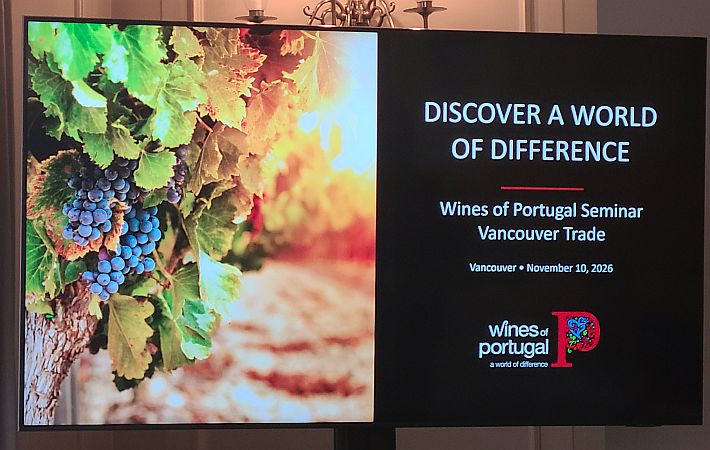
With this article, coming from a seminar I attended, I hope to help you better understand Portuguese wines and make you more comfortable purchasing a bottle of Portuguese wine. The seminar was hosted by veteran wine educator Iain Philip (WSET Educator).
Over 250 Native Grapes
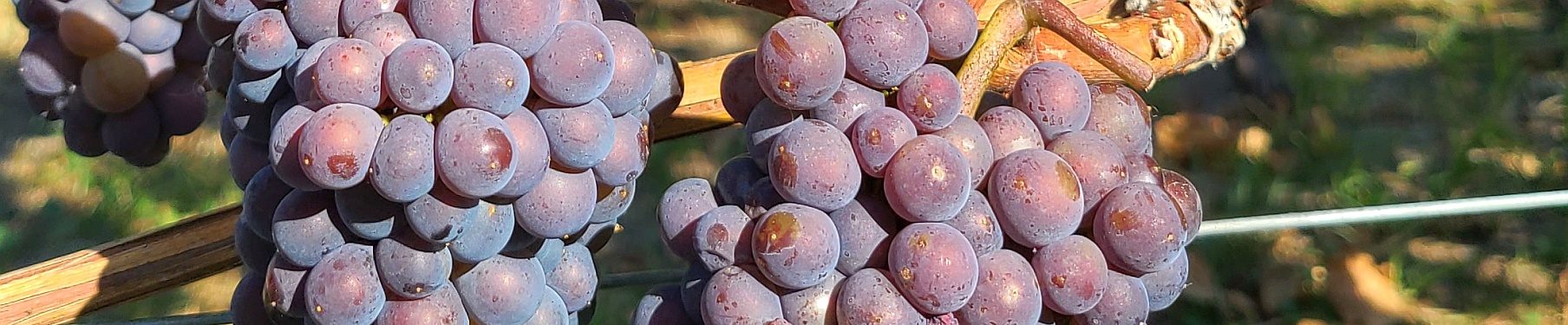
Portugal boasts over 340 commercial grape varieties, more than 250 of which are completely indigenous. Noble local grapes include whites like Loureiro, Alvarinho, and Encruzado, alongside reds such as Touriga Nacional, Touriga Franca, Baga, and Vinhão.
For wine lovers, this massive lineup can feel like a daunting hurdle. Memorizing hundreds of obscure varieties is an unreasonable expectation. However, the seminar highlighted a fundamental principle of Portuguese wine: you do not need to memorize every single grape, because Portugal is the world’s master of the blend.
Rooted in the history of Port production, where vineyards were planted with 40 to 60 distinct varieties intermixed in traditional field blends, Portuguese winemaking prioritizes regional terroir and harmony over single-varietal labelling. Winemakers combine complimentary varieties to achieve seamless balance, vibrant acidity, and structural depth. (When you buy a red Bordeaux wine, it is a blend of at least two or more grape varieties to produce a harmonious wine.)
Geography Affects Grapes
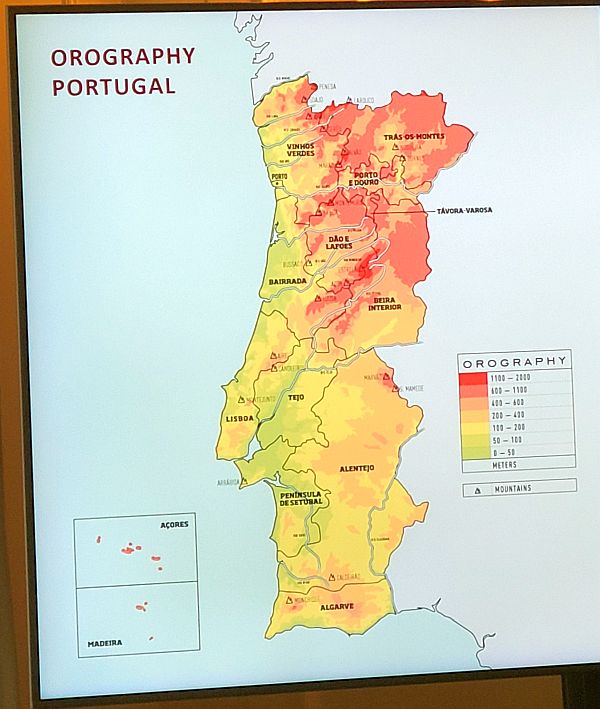
One of Portugal’s defining geographical features is that it is fundamentally an Atlantic nation, not a Mediterranean one. Flanking the western edge of the Iberian Peninsula, its long coast receives cool maritime breezes and substantial rainfall, imbuing coastal regions like Vinho Verde (northwest corner), Bairrada, and Lisboa with bright acidity.
Portugal’s wine regions demonstrate just how dramatically the Atlantic influence diminishes as you move inland.
Along the coast, regions such as Vinho Verdes, Bairrada, and Lisboa are strongly influenced by the Atlantic Ocean. Cool maritime breezes and relatively high rainfall create a cooler growing environment, particularly in the low, rolling coastal hills. Soils vary considerably and include sand, clay, limestone, and granite. The resulting wines are typically marked by high natural acidity, low to moderate alcohol, and crisp green fruit and floral character.
Moving into the mountain transition zones, regions such as Dão sit in protected basins behind the coastal mountain ranges. Here, vineyards are often planted on high-altitude tablelands reaching 800 to 1,000 metres. Granite is an important soil type. The combination of elevation and shelter produces wines with remarkable balance, elegant tannins, bright red-fruit flavours, and a distinctive mineral backbone.
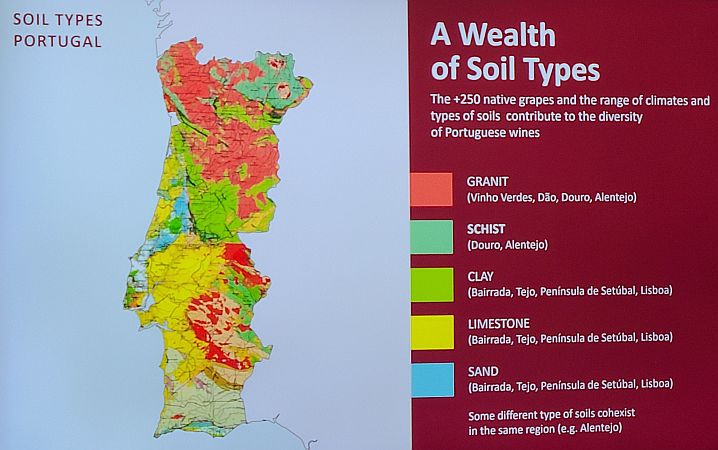
Farther inland, the climate becomes increasingly continental. The Douro, Alentejo (tall vertical region in the south, bordering Spain), and Trás-os-Montes experience hot, dry summers and much colder winters, with the coastal mountain ranges helping to block the moderating influence of the Atlantic. The landscapes can be dramatic, from the steep river canyons of the Douro to the high mountains of the interior, including Serra da Estrela, which rises to about 2,000 metres.
The soils also change significantly. Schist dominates many of the vineyards in the Douro, while granite, clay, and schist are found across other inland regions. These warmer, drier conditions and varied landscapes favour wines that are generally more concentrated and full-bodied, particularly reds, with rich dark-fruit flavours and firm structural backbones.
This relatively short journey from the Atlantic coast into the interior illustrates one of Portugal’s most fascinating wine characteristics: significant changes in climate, elevation, soils, and wine style can occur within a remarkably short distance.
Because mountain ranges block moisture and ocean breezes from penetrating the interior, winemakers can move from cool, granite-driven white production to sun-drenched, schist-grown red production in less than an hour’s drive.
Wines that Overdeliver Based on Price
Throughout the tasting seminar, one takeaway was that Portugal offers an unmatched price-to-quality ratio. From crisp $13 Vinho Verdes and organic Lisboa reds to sub-$40 estate Douro reds that easily rival $100+ Napa Cabernets.
If these wines deliver such remarkable value and dining versatility, why do they remain underrepresented on restaurant wine lists?
Many consumers search for “Cabernet” or “Chardonnay” as they recognize the varietal and hesitate at unfamiliar Portuguese grape names. If a restaurant has a sommelier, they could identify the guests’ desired taste profile, e.g., bold Napa Cab or Syrah, and recommend a suitable Portuguese Regional Blend, e.g., Douro / Alentejo Red. Similarly, in the wine list, categorizing wines by taste profile and then having Napa Cabs and an Alenteno red wine in the same section helps calm their decision and guide the wine drinker’s taste (My suggestion).
My Wine Tasting Notes
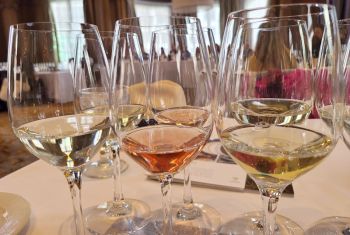
We tasted ten wines during the seminar, covering a few different DOC regions within Portugal, from cool, coastal climate white wines to hot, high-elevation interior reds.
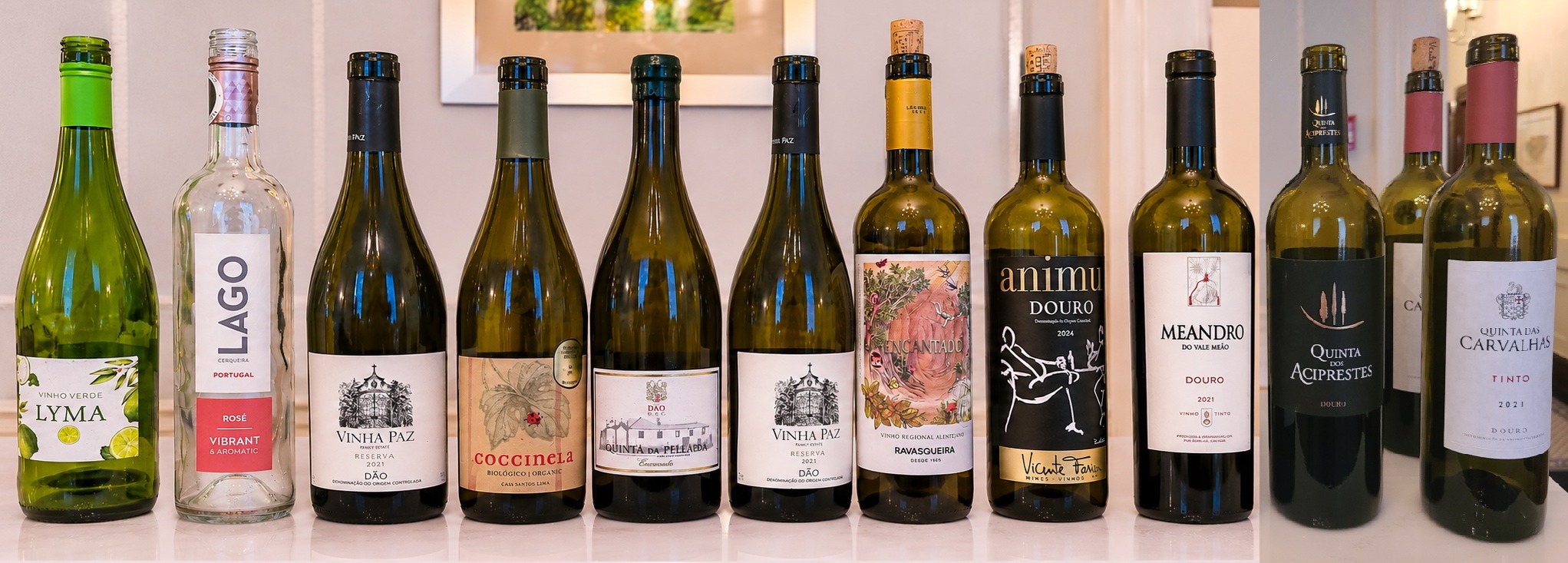
J. Portugal Ramos Vinhos, Lyma White 2025, Vinho Verde DOC – 100% Loureiro. A bright, lighter lemon colour. Medium-plus intensity aromas of lime/citrus, grape stem, and honey. Dry with super high acidity. You get some acidic prickle on your tongue. Medium body with a lean mouthfeel. Fresh tart flavours of citrus and stone fruits, along with some grape stem and minerality. Medium-plus to long length. 
 –

Agrimota – Sociedade Agrícola e Florestal Lago Rosé 2024, Vinho Verde DOC – 100% Vinhão. Vinhão is a rare teinturier grape, which means it features red flesh and red juice alongside pigmented skin. This wine has a pale, pink grapefruit colour. Light aromas of floral and red fruits. Dry with medium body and round mouthfeel. A high level of acidity leaves an acidic prickle in your mouth. Red fruit flavours. A touch of tannins.
Quinta da Pellada Encruzado White 2023, Dão DOC – 100% Encruzado, aged 18 months in old oak barrels, bottled unfiltered. This wine has a deeper lemon colour. Medium intensity, deep aromas of sweet spices and tropical fruit. Dry, full-bodied with a very smooth, soft mouthfeel. Medium acidity. Deep flavours of roasted pineapple, stone fruit, and touches of sweet spices and butterscotch. A touch of pepperiness on the finish. My favourite wine of the tasting! –
Casa Santos Lima, Coccinela Red 2023, Lisboa Vinho Regional – made from 100% Caladoc, certified organic grapes. Caladoc is a French cross of Grenache and Malbec. It has a deep ruby colour. Medium intensity aromas of juicy berries. Dry, medium body, lean but with a thicker mouthfeel and bright acidity. Medium tannins. Floral, berry fruit, cherries, and a touch of candied cherries on the palate. Raspberry flavour toward the finish. –
António Canto Moniz Vinha Paz Reserva 2021, Dão DOC – a blend of 80% Touriga Nacional, 10% Alfrocheiro, and 10% Jaen (aka Mencia). It has a deeper, slightly dull, but clear to the core garnet-ruby colour. Medium-intensity aromas of red and black fruit plus spiciness. Dry, medium-minus body with a lean, soft mouthfeel. Medium to medium-plus intensity tannins. Medium acidity. More red cherry flavour with a lesser amount of red fruits and a touch of candied cherry toward the finish. Medium-plus length with some tartness on the finish.
Ravasqueira Vinhos Encantado Red 2023, Vinho Regional Alentejano – made with Syrah, Touriga Franca, and Alicante Bouschet (a French grape that found its home in Portugal). A deep, dull garnet colour. Medium nose showing sweet spices, mint, oak, and ripe black fruit. Medium-plus to full body with a soft, round, thicker mouthfeel. Medium acidity and lighter tannins. Sweet, ripe black fruit, sweet spices along with touches of floral and pepperiness. Medium length, finishing with some grippy tannins and tart flavours. Tasty! I was told this wine is sub-$20. A great buy!
Vicente Faria Vinhos, Animus Douro Red 2024, Porto E Douro DOC – a 40% Touriga Franca, 30% Tinta Roriz, and 30% Touriga Nacional blend. Medium intensity, clear to the core garnet colour in the glass. Medium-intensity aromas of berries and oak. This wine is dry, medium body with a light, soft mouthfeel. Medium-plus acidity and light tannins. Juicy berries and some oak on the palate. Medium to medium-plus length, finishing with tart fruits and some pepperiness.
F. Olazabal & Filhos, Meandro Red 2023, Douro DOC – 50% Touriga Nacional, 30% Touriga Franca, 10% Tinta Roriz, 5% Tinta Barroca, 3% Baga, and 2% Alicante Bouschet. Each of the grape varieties is fermented separately and then blended together. This wine has a deep, lightly dull ruby colour. Lighter aromas of nutmeg and red fruit. Dry, medium body with a smooth, soft, thicker mouthfeel. Ripe berries, black fruit with a touch of mace spice. Fresh acidity and light tannins. Tart red fruits toward the end. Medium length. –
Real Companhia Velha Quinta dos Aciprestes Red 2021, Douro DOC – An old vine field blend of Tinta Barroca, Touriga Franca, Tinta Roriz, Tinta Cão, and Tinta Amarela. A medium-minus intensity translucent ruby colour. Light aromas of cherries and black fruit. This wine is dry, medium-minus body with a lean, light mouthfeel. Bright acidity. Tart red fruits and red cherries flavours, plus a touch of candied cherries. Light tannins. Medium length with a puckering cherry finish.
Real Companhia Velha, Quinta das Carvalhas Red 2021, Douro DOC – An old vine field blend of Touriga Nacional, Touriga Franca, Tinta Roriz, and mixed vineyard varieties. A deep, lightly dull ruby colour in the glass. Medium intensity, rich aromas of red fruits and red cherries. Dry, medium-plus body with a round, soft, thicker mouthfeel. Bright acidity and light tannins. Tart berry fruits, red cherries, and a touch of nutmeg spice on the palate. Medium to medium-plus length, with a puckering finish. –
The next time you scan a restaurant wine list or explore your local bottle shop, will you stick to the predictable, or will you dare to step out of your comfort zone and discover a world of difference in a bottle of Portuguese wine?