
For Okanagan Crush Pad, making wine begins with caring for the land. At Garnet Valley Ranch in Summerland, BC, their vineyards are part of a broader agricultural landscape where healthy soils, biodiversity, native habitat, and diverse crops work together. Their philosophy is about more than growing grapes. It is about building a resilient ecosystem that can support vineyards and wildlife for generations to come.
The 320-acre Garnet Valley Ranch property reflects this whole-farm, “regenerative farming” approach. Vineyard blocks were carefully planned within the natural landscape, leaving corridors for wildlife to move between areas of native habitat. Ponds, lavender fields, vegetable plots, orchard plantings, and a bee farm add further diversity to the property. Rather than treating the vineyard as an isolated agricultural operation, Okanagan Crush Pad considers how the different elements of the land can coexist.
Building a Living Vineyard
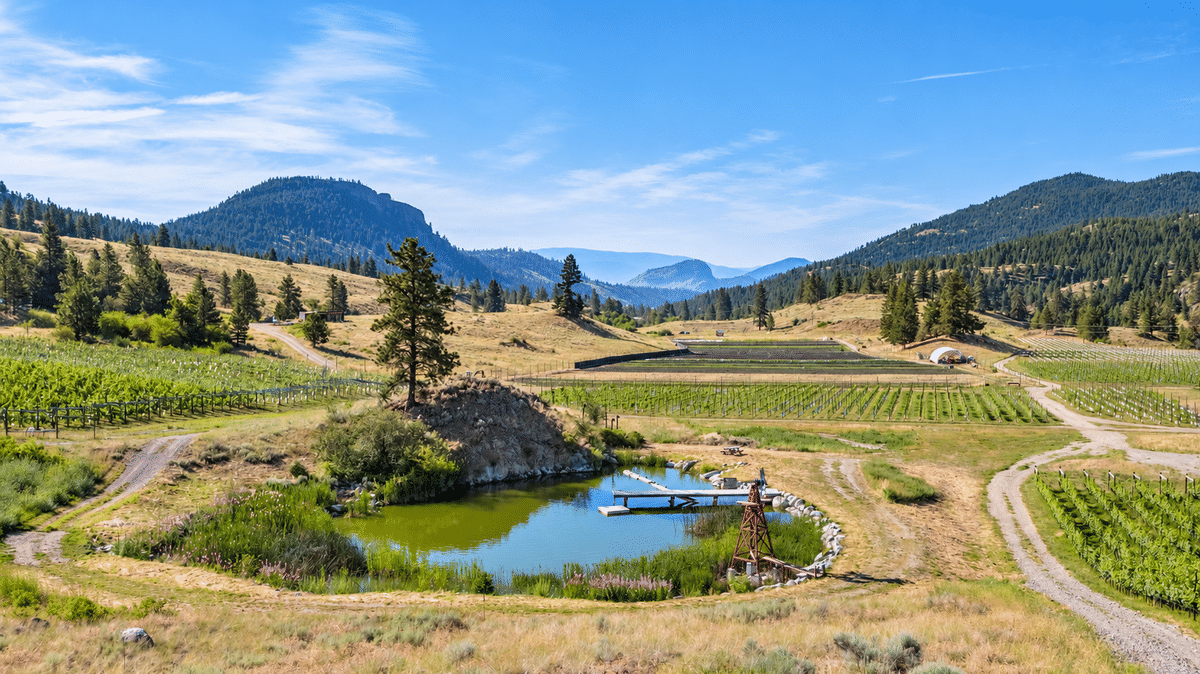
Regenerative and organic farming is central to their philosophy. Compost and seaweed-based nutrition helps nourish vines and build healthy soils, while cover plants contribute to soil care and encourage beneficial insects. The restoration of ponds, streams, and native habitat also helps protect the natural environment surrounding the vineyards.
Biodiversity has practical benefits, too. Okanagan Crush Pad uses integrated pest management (IPM), including beneficial insects such as ladybugs and praying mantises, to help control vineyard pests. Flowering plants can also attract insects away from the vines. These practices encourage natural processes to contribute to vineyard health.
Owner Christine Coletta describes their broader ambition: “Garnet Valley Ranch embraces regenerative and organic farming to build healthy, living soils, nurture resilient vines, and produce wines that authentically reflect the land, while protecting it for future generations. By preserving natural habitats and encouraging biodiversity, the ranch creates a balanced ecosystem where beneficial insects, birds, plants, and wildlife thrive, naturally controlling pests and strengthening the health and resilience of the entire property. Crop biodiversity is also important to ensure that the crops on the property are varied and balanced.”
The approach also reflects a long-term commitment to stewardship. Restoring natural areas and supporting soil health are investments in the land’s future productivity, rather than simply decisions made to benefit the next harvest.
Designing the Vineyard Around the Land
The vineyard’s layout reflects a deliberate effort to minimize disturbance to the natural landscape. Terroir consultant and Chilean soil scientist Dr. Pedro Parra helped develop the planting strategy at Garnet Valley Ranch, using precision viticulture to guide vineyard placement. Rather than planting continuously across the property, the vines occupy distinct blocks surrounded by native habitat, preserving natural land formations and corridors for wildlife.
From the Vineyard to the Wine
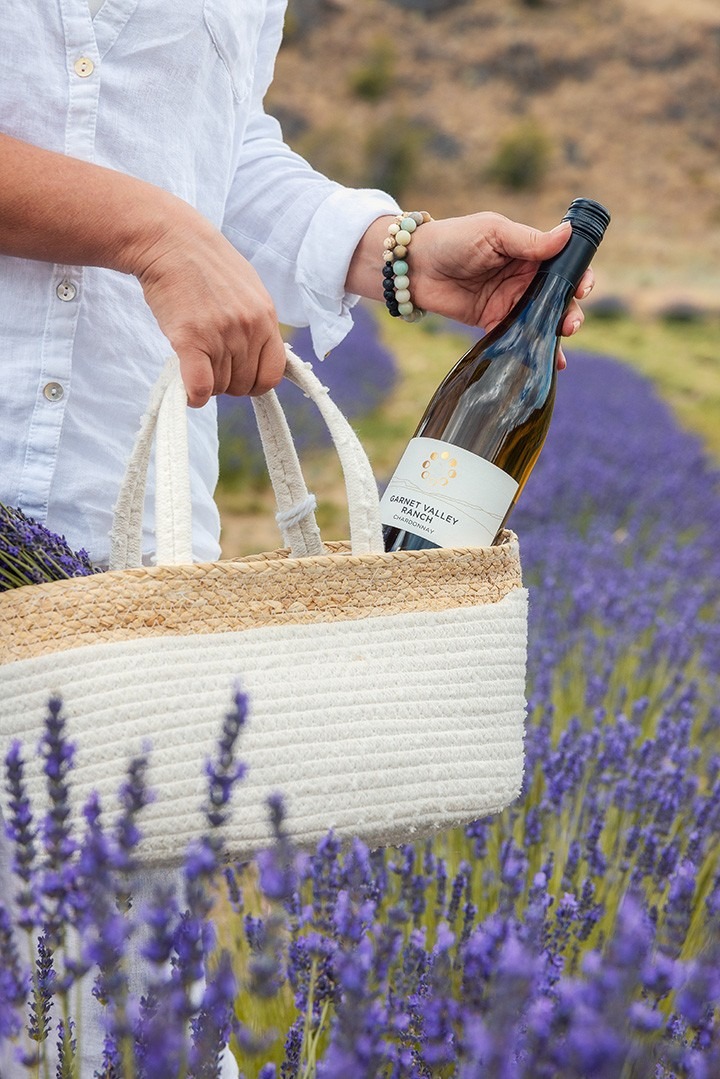
The connection between farming and winemaking continues in the cellar. Okanagan Crush Pad’s Haywire wines follow a relatively hands-off approach, with an emphasis on bringing healthy, optimally ripe grapes into the winery, allowing their character to emerge.
Winemaker Matt Dumayne explains, “Regenerative farming starts with looking after the soil and the life around the vines. When we bring thoughtfully grown fruit into the cellar, our role is to work with a gentle hand and let the character of the vineyard come through. We’re thinking about the wine in front of us, but also about caring for this land so it can continue to grow exceptional fruit for generations to come.”
This philosophy connects the work of the vineyard with the decisions made during winemaking. Healthy soils and resilient vines provide the foundation, while a restrained cellar approach aims to preserve the character of the fruit and its growing environment. It is a relationship between place, farming, and winemaking, rather than a process focused solely on the finished bottle.
Garnet Valley Ranch’s elevated vineyards, ranging from approximately 600 to 680 metres above sea level, also contribute to the site’s identity. Its cooler growing conditions and mix of volcanic and glacial soils help shape wines with freshness, balance, and natural acidity.
A Future Rooted in the Land
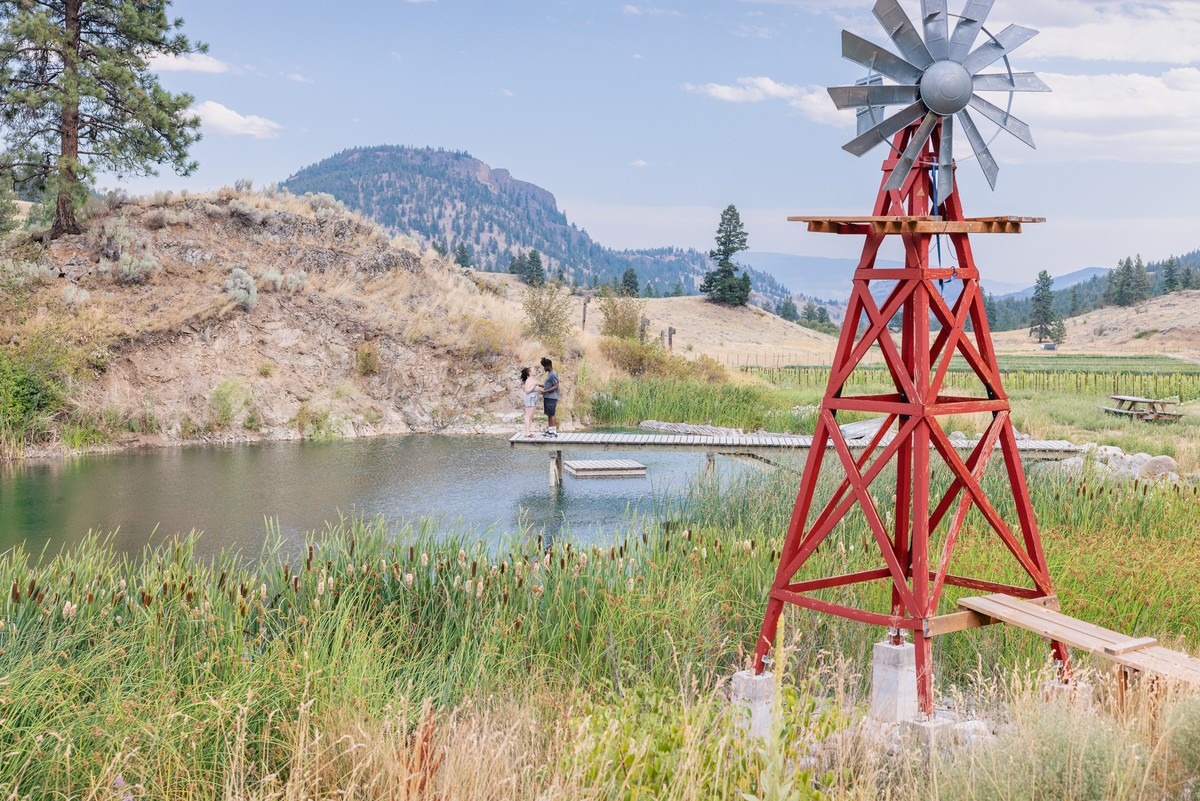
For Okanagan Crush Pad, “Rooted in Summerland” expresses an ongoing relationship with the landscape. That relationship extends beyond the vineyard boundaries to include native ecosystems, water, wildlife, and the wider Garnet Valley community.
Regenerative farming is not a single practice or a short-term initiative. It is a way of considering how each part of the property affects the others, with the aim of leaving the land healthier and more resilient over time. Regeneration at the winery also involves restoring land that has been affected by past agricultural practices and protecting the wider valley. Okanagan Crush Pad has cleaned up former dumping areas, restored ponds and stream beds, and returned some former grazing land to native habitat.
Ultimately, their goal is to produce wines that reflect their origins while protecting and rehabilitating the environment that makes them possible. At Garnet Valley Ranch, caring for the land and growing wine are not separate ambitions. They are part of the same commitment to Summerland and its future.