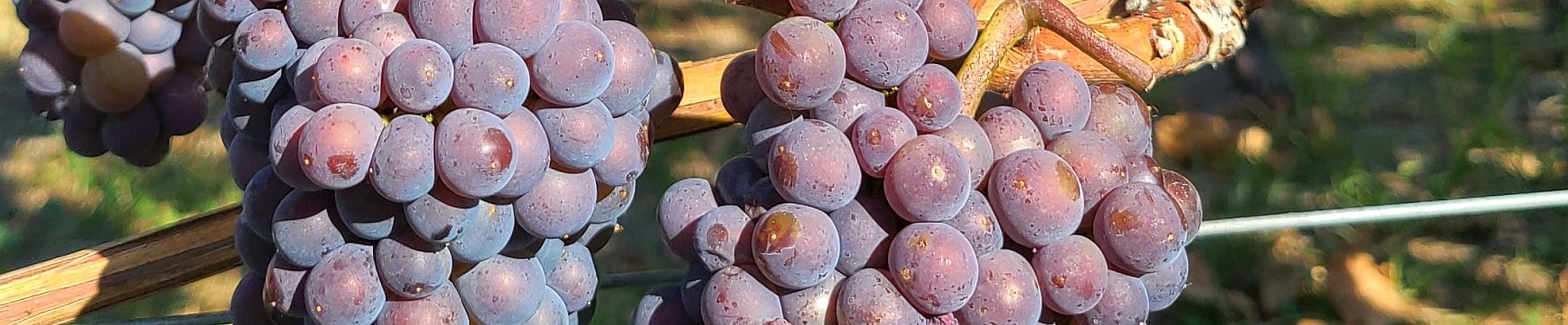
As I recently tasted two Okanagan Viognier wines from the 2025 vintage, I thought it may be interesting to compare and contrast between the two wines. Terroir of course can affect the aromas and flavours, but also the winemaker’s methods of vinification. The two wines I tasted were the Hester Creek Estate Winery Viognier 2025 and the other is the Blasted Church Vineyards Viognier 2025.
My Wine Tasting Notes
Here are my tasting notes from my earlier articles for these two wines.
Hester Creek Estate Winery Viognier 2025 (BC $24.99)
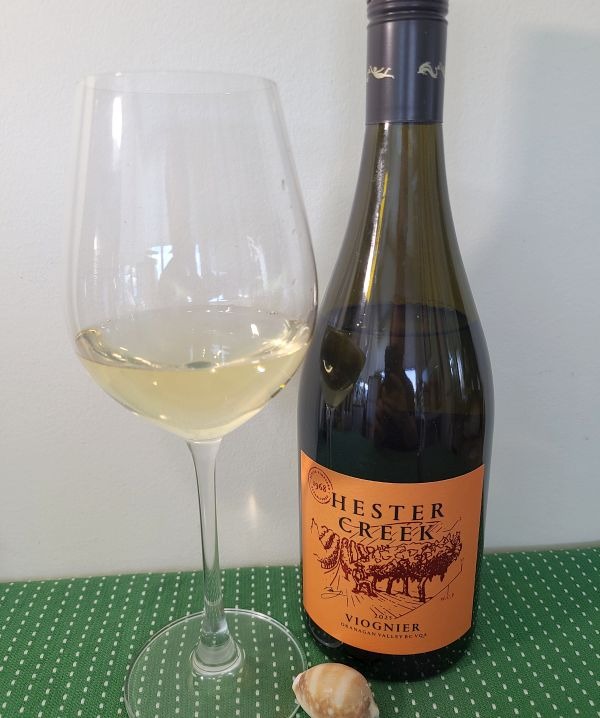
Winemaker’s notes, “This 2025 vintage was sourced exclusively from the south Okanagan Valley. The grapes were hand harvested on October 15 and 16, 2025 and transported to the winery the same day where they were destemmed and gently crushed. The wine was cold settled for 1 day before being racked into stainless steel tanks where it underwent a slow cool fermentation for 37 days. It was aged a further 2 months in tanks. The wine was cross blended, filtered and bottled on March 11, 2026.”
Appearance: A bright, clear, medium-intensity lemon colour in the glass.
Nose: Medium intensity aromas of pine needles, white flowers, lemon and peach along with a touch of green fruit. No change to the aromas after decanting.
Palate: This wine is dry with medium-plus body and a round, thicker mouthfeel. This wine is either off-dry or fruity. Medium-plus acidity leaves a medium acidic prickle on your tongue. Green fruit and pine needles with touches of stone fruits, pears, floral and honeysuckle on the palate. No change to body or flavours after decanting.
Finish: Medium-plus to long length, finishing with mouthwatering acidity, pepperiness, and flavours of pine needles and green fruits.
Blasted Church Vineyards Viognier 2025 (BC $28)
Primarily Viognier with some Marsanne blended in. I did not find information on the blend percentages.
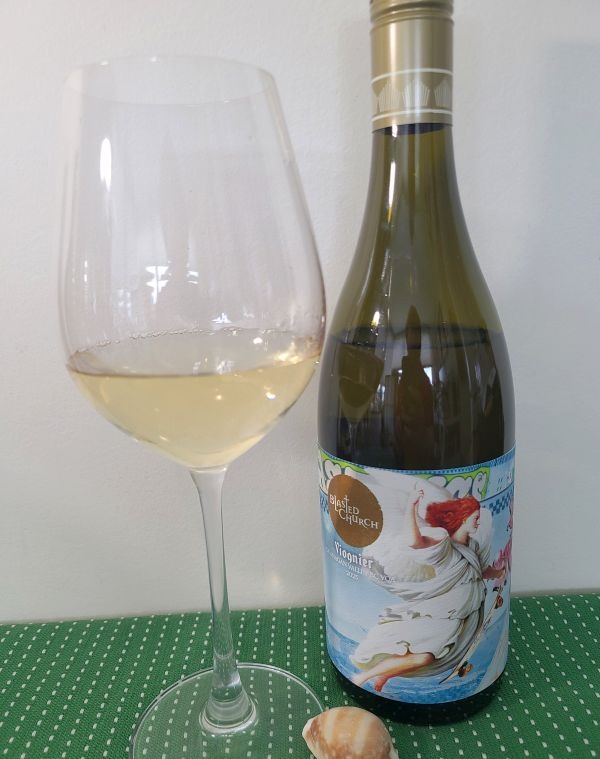
Winemaker’s notes, “Our 2025 Viognier combines fruit from our estate vineyard on the Skaha Bench (Viognier) and the Red Brick Vineyard (Viognier and Marsanne) located on the east bench of Osoyoos. Each block of fruit was hand-harvested at its ideal balance of sugar, acid, and phenolic ripeness and were handled separately until blending in the months following harvest.
In the cellar, some of the lots were destemmed and given a few hours of skin contact to enhance the aromatic intensity and mouthfeel of the wine, while other lots were whole-cluster pressed to preserve the bright fruit profile and acidity. After settling in tank, the juices were racked to a mix of French oak barrels for fermentation and aging. After a few months in barrel, the cellar team decided on the final blend, racked the wines to tank to assemble the blend, and put the wine back to barrel for a few more months of aging ahead of bottling.”
Appearance: Clear, bright, medium-minus intensity lemon colour.
Nose: Medium intensity aromas of ripe stone fruits along with grape stem to start, then with swirling you get limes, oranges, and some tropical fruit aromas. Mostly stone fruit aromas after decanting. You can add a touch of nutmeg. No tropical fruit aromas.
Palate: This wine is dry, medium-plus body with a soft, smooth mouthfeel. A mix of tropical fruit and stone fruit flavours plus some grape stem. Medium-plus acidity leaves a light acidic prickle in your mouth. You get more stone fruit flavours than tropical fruit flavours after decanting, plus a touch of lime rind and grape stem.
Finish: Medium-plus to long length, finishing with tropical fruit and stone fruit flavours, and stronger grape stem bitterness. A little peppery on the finish. Stone fruit flavours and grape stem bitterness on the finish after decanting.
Comparison
Although both of these wines come from the outstanding 2025 Okanagan vintage and are built around Viognier, they express the variety in different ways. The 2025 growing season in the South Okanagan featured the region’s hot, sunny, dry conditions with cool nights, allowing grapes to achieve full phenologic ripeness while retaining vibrant acidity. The valley’s well-drained glacial, sandy and gravelly soils also helped concentrate flavours and maintain freshness in the fruit. (Province of British Columbia)
Hester Creek’s Viognier, sourced exclusively from the South Okanagan and fermented entirely in stainless steel, emphasizes purity and freshness. It opens with floral aromas, pine needles, citrus and peach, then carries those characteristics onto the palate showing green fruit, pear, honeysuckle and lively acidity. The wine has a round texture but remains crisp and energetic, with its herbal and pine needle notes providing a distinctive regional character.
In contrast, Blasted Church’s blend of predominantly Viognier with a small amount of Marsanne, combined with partial barrel fermentation and aging, delivers a richer and more layered expression. The oak influence is subtle, contributing a softer, smoother mouthfeel and hints of nutmeg without overshadowing the fruit. Ripe stone fruits, tropical fruit, citrus and a touch of grape stem complexity dominate the palate, while the Marsanne likely adds extra texture and weight. Both wines share medium-plus body, bright acidity and long finishes, but Hester Creek leans toward freshness, floral lift and savoury complexity, whereas Blasted Church offers greater richness, riper fruit and a more rounded Rhône-inspired style.
You may note that pine needle aroma or flavour is not a usual characteristic of the Viognier grape. Pine or other tree scents like eucalyptus (in Australia) are not uncommon as these the essential oils from these types of trees can drift from their leaves/needles and settle on nearby grapes, which then goes into the fermentation process. If you buy a bottle of Australian Coonawarra Cabernet Sauvignon, you may get the eucalyptus note.
I invite you to try both these wines side-by-side. Enjoy the summer!











Hi Karl. A great informative comparison. Well described.
Thank you.