

Benefits of Magnum Bottles
Superior Aging Potential
One of the most compelling reasons wine professionals reach for magnums is their ability to age wine more gracefully. The science is simple: magnums contain twice the wine but only slightly more air in the neck of the bottle. This lower wine-to-oxygen ratio slows down oxidation, which is key to developing complexity over time.
Red wines like Cabernet Sauvignon, Barolo, and Bordeaux blends, known for their tannic structure, benefit immensely from this slower aging process. The result is a more balanced, elegant wine with softened tannins and deeper flavor integration. White wines with high acidity, such as Chardonnay, Chenin Blanc, or Champagne, also age beautifully in magnums, retaining freshness while gaining nuanced depth.
Enhanced Flavour and Structure
Because of the slower oxidation, wines in magnums often show more refined aromatics and a smoother mouthfeel. The extended aging curve allows both reds and whites to develop secondary and tertiary notes; think dried fruit, earth, and spice in reds, or honeyed citrus and brioche in whites.
Visual and Social Impact
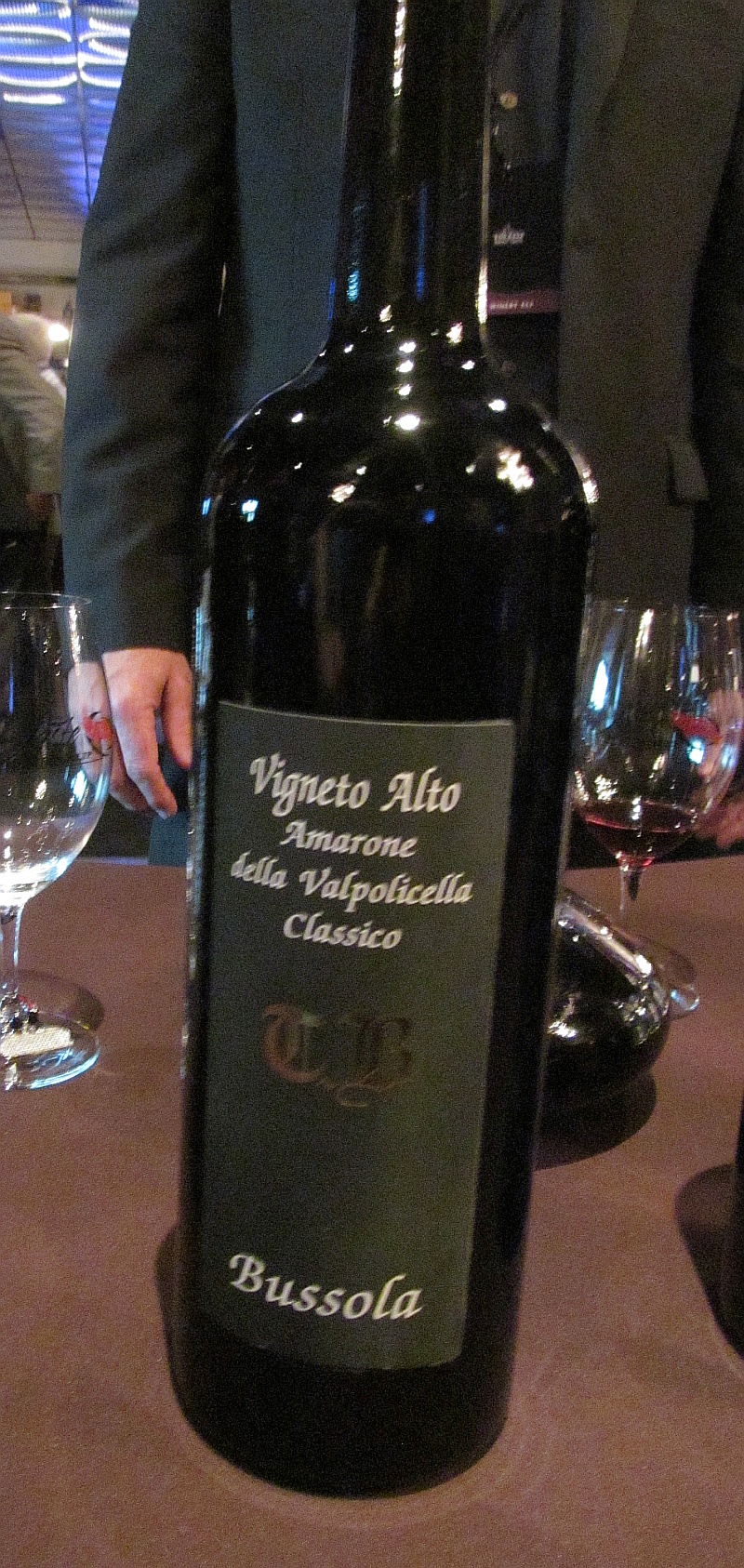
Practicality for Entertaining
With approximately 10 – 12 fuller glasses per bottle, magnums are ideal for gatherings. They reduce the need to open multiple bottles, ensuring consistency in taste and temperature. For hosts, this means fewer interruptions and more seamless service.
Challenges and Drawbacks
Storage and Handling
Magnums are bulkier and heavier than standard bottles, which can pose logistical challenges:
- Storage: They require more space and may not fit in standard wine racks or fridges.
- Pouring: Serving from a magnum demands a steady hand to avoid spills.
- Transport: Taking a magnum to a picnic or dinner party isn’t always convenient.
Cost and Accessibility
While magnums aren’t necessarily more expensive per liter, they often come with a premium price tag due to limited production and packaging costs. Additionally, not all wines are available in magnum format, especially boutique or small-batch labels.
Red wines are more commonly found in magnums, particularly those intended for aging. White wines, especially fresh and young styles like Sauvignon Blanc or Pinot Grigio, are less frequently bottled in magnums, as they’re meant to be consumed young and don’t benefit as much from extended aging.
Risk of Waste
If you are opening a magnum for a small group or casual evening, you might end up with leftover wine. While vacuum sealers and preservation systems help, the larger volume increases the risk of spoilage if not consumed promptly.
Perceived Formality
Some wine lovers feel that magnums are too “showy” for everyday drinking. Their association with celebrations and luxury can make them seem out of place in a casual setting, potentially intimidating less experienced drinkersu8
Final Thoughts
Magnum bottles are more than just oversized novelties. They are vessels of patience, precision, and prestige. For red wines meant to age and evolve, magnums offer a superior environment for maturation. For white wines, especially those with structure and acidity, magnums can preserve freshness while allowing subtle complexity to emerge.
However, they are not without their quirks. From storage woes to cost considerations, magnums require a bit more planning and commitment. But for those who appreciate the art of wine, whether as collectors, entertainers, or curious sippers, the magnum is a format worth exploring.
Next time you are browsing the wine aisle or planning a celebration, consider going big. Because sometimes, more really is more.












1 thought on “Talk About Magnum Bottles”
Comments are closed.