What Do You Know About the Balsamic Vinegar of Modena PGI?

Welcome to Balsamic Vinegar of Modena PGI sign

You have probably had Balsamic Vinegar of Modena of Protected Geographical Indication (PGI) drizzled over tomatoes and mozzarella cheese in a Capreze Salad.  And you know that this deeply coloured, thick vinegar, comes from Italy.  But there is an interesting story behind Balsamic Vinegar of Modena PGI.  I was with a few other select media members to learn about the Balsamic Vinegar of Modena PGI, it’s history, protected status, and how it can be a part of  dishes you can enjoy.  Let me give you a taste of this discussion.

 It’s Not Just a Recipe, It’s a “Genius” of Place

Authentic Balsamic Vinegar of Modena isn’t the result of a mere recipe that can be duplicated anywhere. The producers themselves refer to its origin as the “Modena balsamic genius”.  A unique confluence of factors that could only exist in the Province of Modena from the region of Emilia-Romagna.
 
This “genius” isn’t a corporate formula; it’s a living heritage, a blend of the specific land, local natural factors, and the deep-rooted knowledge passed down through families long before the first commercial production company ever existed. This combination of geography, climate, and human knowledge is why the product is inextricably tied to its home. It isn’t a commodity; it’s a cultural artifact, much like a fine wine is the unique expression of its terroir.
 
Historically, the product’s origins trace back over a thousand years, with the term “balsamic” being first recorded in 1747 by the Duke of Modena to describe the vinegar’s wellness-promoting qualities. Production is strictly regulated, requiring a blend of cooked grape must and wine vinegar from up to seven specific local grape varieties, which must be matured in wooden barrels. This process yields a versatile product with profiles ranging from acidic and pungent to sweet and viscous, suitable for diverse culinary applications.

Grapes and Process

Being educated about Balsamic Vinegar of Modena PGI
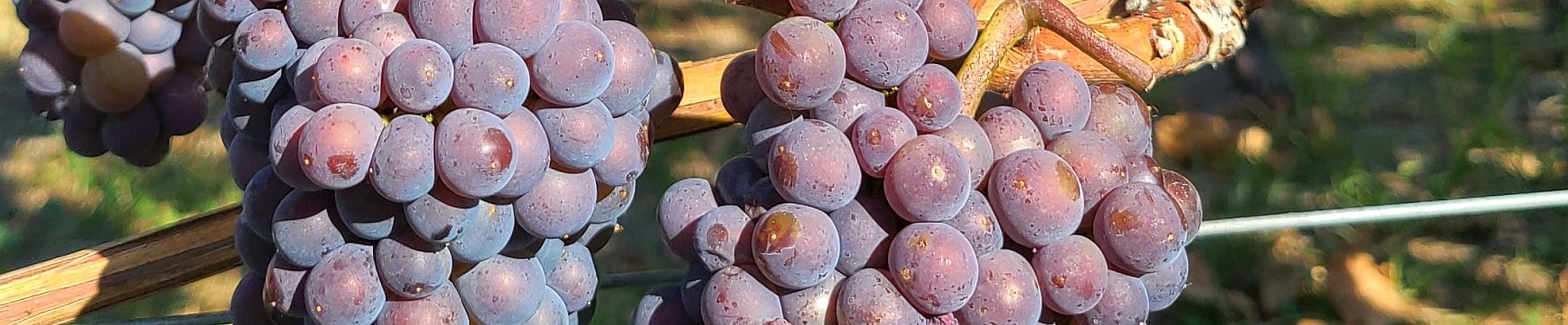
Balsamic Vinegar of Modena PGI is produced from the juice of grapes sourced from up to seven different grape varieties that are typical of the Emilia-Romagna region, where Modena is located. The three most common grapes used are Trebbiano, Lambrusco, and Sangiovese, along with four other varieties: Albana, Ancellotta, Fortana, and Montuni. The production of Balsamic Vinegar of Modena PGI involves blending this grape must, which has been cooked and concentrated together with sugar and blended with wine vinegar. The essential step of cooking the grape must causes the sugar to caramelize, giving this Balsamic Vinegar its characteristic dark brown colour and sweetness, a requirement mandated by the product specification.
 
The rules for authenticity dictate that the blend must contain a minimum of 20% grape must and a minimum of 10% wine vinegar.  Producers adjust these proportions to create different blends, ranging from more pungent products suitable for salads to thicker, sweeter products for pairing. After blending, Balsamic Vinegar of Modena PGI must be matured and aged in wooden containers such as casks or barrels, as using steel or other materials is prohibited. The aging period varies: standard Balsamic Vinegar of Modena PGI matures for up to three years, while the premium “Riserva” category is aged for more than five years.

The new “Riserva” Designation

The Consortium, representing approximately 60 producers, oversees an annual production of 95-100 million litres, over 90% of which is exported. Its global mission is to protect the product’s authenticity against improper use of the “balsamic” term while promoting cultural collaboration and exploring new culinary paths. A new premium “Riserva” category, for products aged over five years, has been established to formally recognize the value of longer maturation.
 
Starting in 2025, this designation may only be used for Balsamic Vinegars of Modena aged for more than five years in wooden barrels, distinguishing it from the “Invecchiato” (aka aged) version, which requires a minimum of three years of aging.  Aceto Balsamico di Modena PGI Riserva represents the highest expression of balance and elegance, where sweetness and freshness merge into a harmonious body, rich in complex aromas and boasting exceptional length on the palate.

This new designation now completes the official classification:

  • Aceto Balsamico di Modena PGI (matured between 60 days and 3 years)
  • Aceto Balsamico di Modena PGI Invecchiato (aged 3 to 5 years)
  • Aceto Balsamico di Modena PGI Riserva (aged more than 5 years)

Real Balsamic Vinegar is Legally Protected Like Champagne

Authentic Balsamic Vinegar of Modena is a legally protected designation. It holds the status of a Protected Geographical Indication (PGI) from the European Union, putting it in the same esteemed category as other iconic regional foods.  This PGI status means that to bear the name, the product must be made according to a strict set of rules and can only be produced within the designated province of Modena in Emilia-Romagna. This is the same level of protection afforded to products like Parmigiano-Reggiano or Champagne. This regulation ensures authenticity and quality. It belongs not just to the companies that make it, but to the people and the culture of Modena itself.  It’s a piece of their reputation, bottled.

The Taste Test

After learning about the Balsamic Vinegar of Modena PGI, we were treated to a varieties of canapes, as well as ravioli, desserts, and drinks, using this special ingredient.
  • Negroni with Aceto Balsamico di Modena IGP
  • Pan-Seared Scallop & Aceto Balsamico di Modena IGP, brown butter emulsion, butternut squash purée, crispy sage
  • Beet & Burrata Tartlet, toasted hazelnuts, Aceto Balsamico di Modena IGP vinaigrette
  • Warm Goat Cheese Tart & Aceto Balsamico di Modena IGP, caramelized onion jam, puff pastry, thyme, comté cheese
  • Beet-Cured Salmon Gravlax & Aceto Balsamico di Modena IGP, compressed cucumber, blood orange gel
  • Pear & Gorgonzola Bruschetta, honey and Aceto Balsamico di Modena IGP drizzle, shaved walnut
  • Butternut Squash Ravioli & Aceto Balsamico di Modena IGP, brown butter emulsion, crispy sage
  • Vanilla Ice Cream with aged Aceto Balsamico di Modena IGP
  • Raspberries filled with Aceto Balsamico di Modena IGP
Canapes as well as drinks using Balsamic Vinegar of Modena PGI
Canapes as well as drinks and desserts using Balsamic Vinegar of Modena PGI
Canapes, as well as ravioli, and desserts using Balsamic Vinegar of Modena PGI

All the dishes were delicious.  In particular, I really enjoyed the pan-seared scallop with Aceto Balsamico di Modena IGP and the warm goat cheese tartlet and the beet-cured salmon gravlax with Aceto Balsamico di Modena IGP.  The Negroni was also quite enjoyable, getting more depth with the Aceto Balsamico di Modena IGP. 

If you have never tried vanilla ice cream with Balsamic Vinegar of Modena PGI you should.  Don’t skimp on the balsamic vinegar.  You can also add some raspberries or strawberries to this delicious pairing.  

To Conclude, The Story in the Bottle

Authentic Balsamic Vinegar of Modena PGI is far more than a simple condiment. It is a product steeped in history, born from the unique “genius” of a specific place, and protected as a cultural treasure. Understanding the story behind its name, its colour, and its legal status transforms it from an ingredient into an experience. Now that you know the rich history behind authentic Balsamic Vinegar of Modena, how might it change the way you use that bottle in your kitchen?
Author: mywinepal
Drink Good Wine. That is my motto and I really want to help you drink good wine. What is good wine? That can be a different thing for each people. Food also loves wine so I also cover food and wine pairings, restaurant reviews, and world travel. Enjoy life with me. MyWinePal was started by Karl Kliparchuk, WSET. I spent many years with the South World Wine Society as the President and then cellar master. I love to travel around the world, visiting wine regions and sharing my passion for food & wine with you. Come live vicariously through me, and enjoy all my recommended wines.