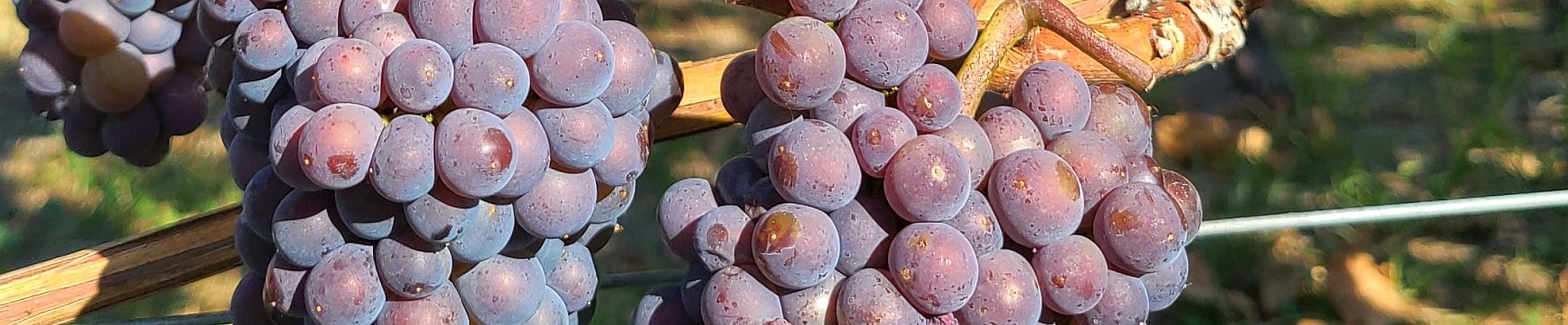
Trius Winery, located in Niagara-on-the-Lake, traces its roots to the Hillebrand estate, where the Trius label was first introduced in 1989. Over time, the label gained prominence, most notably when Trius Red, a Bordeaux-style blend, became the first Canadian vintage to be named “Best Red Wine in the World” in 1991, putting Canadian wines on the global map. In 2012, the estate formally rebranded and refocused under the Trius name, integrating winemaking, hospitality, and food service to become a full-fledged destination winery.
The story of icewine in Canada is one of climatic opportunity and bold experimentation. The concept of wine made from grapes naturally frozen on the vine (Eiswein) originated in Germany in the late 18th century. In Canada, the first commercial icewine was produced by Inniskillin in Ontario in 1984, under the direction of Karl Kaiser. Canada has since been most known for its icewines, regardless of the other great, dry, still wines we produce. Trius’ Showcase Cabernet Franc Icewine is their top tier icewine along with their Showcase Vidal Icewine.
How Is Icewine Made?
Icewine in Canada is made from grapes that are left to freeze naturally on the vine, typically harvested in the middle of the night during the coldest months, once temperatures reach at least -8°C (17.6°F). According to strict Canadian regulations, the grapes must be hand-picked while frozen and pressed immediately, which concentrates the sugars and flavours into a rich, sweet juice. This juice ferments slowly into a luxurious, intensely flavourful dessert wine. Unlike artificially frozen grapes used elsewhere, Canadian icewine must be made only from grapes naturally frozen outdoors, ensuring authenticity and maintaining Canada’s global reputation for premium icewine. Most icewine produced are from white grapes, e.g. Riesling or Vidal, but there are also icewine made from red grapes, like Cabernet Franc.
My Wine Tasting Note
Trius Showcase Cabernet Franc Icewine 2023 (ON $102)

The grapes for this wine were harvested at -11 degree Celsius at 39.8 brix (sweetness). After fermentation the wine is produced at 11.5% alcohol and 205 g/l of sugar! You don’t need a lot of this wine in your glass to sip and enjoy over the winter holiday season.
Appearance: a medium-minus intensity tawny cranberry colour in the glass.
Nose: Medium intensity, sweet aromas of concentrated, dried red fruits, and rhubarb jam.
Palate: Sweet, full body and pronounced flavours. Medium acidity and minimal tannins. A thick, smooth, soft mouthfeel. Dried red fruits, raspberries, red cherries, and rhubarb/strawberry jam on the palate.
Finish: A long, lingering finish with sweet red fruits and strawberries flavour. Medium acidity on the finish.
Rating: 
 –
–  A dessert wine you may want to offer for the upcoming holiday season. It is sweet, but not cloying sweet. It also shows the red grape side of icewine, which is not known to many wine drinkers.
Where Can I Buy This Wine?
You can buy this wine online at the Trius Winery website.